Digital Marketing Specialist in London
I’m Md Naeem Hossan. I help businesses in London and across the UK get in front of people who are already looking for what they sell — then turn that attention into enquiries you can trace back to revenue.
Traffic is easy to buy. Enquiries that turn into paying customers are not. Everything I do sits on that distinction: I’d rather send you 200 visitors who are ready to buy than 20,000 who were never going to.
- MSc in Digital Marketing
- 4+ years · 50+ brands
- Full-funnel: SEO → Ads → AI
- 5.0 on Clutch & Fiverr — verified reviews

Md Naeem HossanDigital Marketing Specialist, London
Every figure on this page comes from a client’s own Google Search Console, Google Ads or Meta Ads account. See the case studies →
Trusted Digital Marketing Specialist for London Businesses
I’m Md Naeem Hossan, a digital marketing specialist based in London. Businesses hire me for one reason: to turn marketing spend into enquiries they can trace back to revenue.
Some people find me searching for an online marketing specialist. Others want an SEO expert, or a Google Ads manager, or someone who can explain why their brand never comes up in ChatGPT. Underneath, most need the same thing — one person who understands how the whole funnel fits together, from the first search to the signed contract, and who’ll tell them honestly which part is actually broken.
I’ve worked with e-commerce stores, education providers, professional services firms and local businesses — across Central London, Westminster, Shoreditch, Camden, Canary Wharf and Greater London, and with clients in the Netherlands, Bangladesh and beyond who never needed me in the room to see results. Alongside client work I run RadixSEO, and I handle search and content for UK education providers, which is unforgiving training in a sector where trust signals and compliance both matter.
You're Spending on Marketing. You Can't See What It's Returning.
SEOAI OverviewsGEOMeta AdsGoogle AdsEmail MarketingData Analytics
You published the content. You boosted the posts. Maybe you’re paying an agency that sends a monthly report full of impressions and reach — numbers that never quite become enquiries you can bank.
Meanwhile competitors, some of them plainly worse at the actual job, sit on page one, run the ads that follow you around, and get named when someone asks ChatGPT for a recommendation.
Here’s what changed. Google stopped simply matching keywords and started rewarding entities, topical authority and content structured the way AI systems read information. Ad costs keep rising, which means a weak landing page or broken conversion tracking now costs you twice. And as ChatGPT, Perplexity and Google AI Overviews answer more questions outright, businesses that aren’t visible on those surfaces are quietly dropping out of the conversation without ever seeing a traffic drop that explains it.
None of this means marketing stopped working. It means marketing built for 2019 stopped working.
How I Build Marketing That Compounds Instead of Resetting
Most marketing rents attention by the month — stop paying and it stops producing. I build the other kind: visibility that accumulates, data that gets sharper every quarter, and channels that feed each other instead of competing for budget. Three stages, every engagement.
Foundation & Measurement
No campaign launches until we know what a lead is worth. I set up conversion tracking and GA4 properly, map your business as an entity Google can verify, work out how your customers actually search and compare, and tighten the offer they’ll land on. Most marketing skips this stage — which is exactly why most marketing can’t prove what it returned.
Capture Demand, Then Create It
Two engines running in parallel. SEO and Google Ads capture people already searching for what you sell — that’s the fastest revenue available to you. Meta Ads, content and email build demand among people who don’t know you exist yet, so next quarter isn’t hostage to this quarter’s search volume. Topical clusters hold it together: every page has a job, every internal link is deliberate.
AI Visibility & Conversion
Search isn’t just ten blue links any more. I structure your content and brand signals so ChatGPT, Perplexity and Google AI Overviews cite you by name — then make sure the clicks you’ve earned convert, through landing page CRO and continuous testing. Ranking gets you found. Being cited gets you chosen.
Verified Reviews From Real Clients
Every review below is published on Clutch, where clients are independently verified before they can leave feedback.
“Naeem successfully rolled out a modern, SEO-friendly website that accurately depicted the client’s business structure and services. The team established a smooth workflow through timely outputs, clear communication, and prompt support. Their broad expertise impressed the client.”
Md Kamrul HasanBizz Group — Bizz Solution BD
“Md Naeem Hossan improved organic website traffic by 25%. Increased qualified leads by 20%. Achieved first-page rankings for 15+ keywords. Increased social media engagement by 30%. Completed 100% of assigned project objectives within deadlines.”
COOUK Apprenticeship Provider
“It was a great experience. He understood exactly what I needed to get done and it was a seamless process. He was assertive and very professional, the communication was perfect. I have a lot of work to get done and will definitely use him.”
kobe2024Founder & Director
5.0 ★★★★★ average on Clutch — verified reviews from real clients.

4+ years — active practice
Md Naeem Hossan — Digital Marketing Strategist in London
I got into this the unglamorous way. I started running search and paid campaigns for small businesses that couldn’t afford to waste a pound, which teaches you fast that a strategy is only as good as the enquiries it produces. Four years and fifty-odd brands later, I still work to that standard.
What I noticed early is that most businesses don’t have a marketing problem — they have a measurement problem. They’re spending, something is working, and nobody can say which part. So the first thing I do on any account is make the money visible: what came in, from where, and what it cost to get. Almost everything else follows from that.
The job titles vary. Digital marketing strategist, internet marketing specialist, growth consultant, freelancer. The work is the same: find where your next customers already are, and build the shortest measurable path between them and you.
I handle search and content for UK education providers — a sector where a page has to satisfy Google, a prospective student and a compliance officer at the same time. It’s good discipline. It’s also why I don’t chase algorithm updates. I build on how Google, Meta and AI platforms actually assess trust, relevance and expertise, because that layer changes far more slowly than the tactics people panic about.
Everything I recommend comes from campaigns I’ve personally run. Not theory, not templates, not recycled advice from marketing blogs.
MSc in Digital Marketing4+ Years50+ BrandsSEO → Ads → AI → CROUK & International Clients
Results From Real Client Accounts. Numbers You Can Check.
Six projects across SEO, Google Ads and Meta Ads. Every figure below comes from the client’s own Search Console, Google Ads or Meta Ads account — and every write-up explains the method behind the number, not just the number.
Ecom NSL — $5,751 of Meta Ads Turned Into $35,000+ in Sales
A five-stage funnel — awareness, engagement, a review community, conversion and retargeting — built across 45 campaigns. The review community stage is the part most advertisers skip, and it’s the reason the retargeting audience converted the way it did.
Metric
Result
Ad spend
$5,751
Attributed sales
$35,000+
Estimated ROAS
≈6×
Campaigns run
45
Duration
5 months
Data source
Meta Ads Manager
SEO · Beauty eCommerce · 12 months
Lumière Studio Salon — 17,900+ Organic Clicks and 1.4M Impressions
Technical SEO, keyword mapping, content optimisation and internal linking, compounded over twelve months. Search Console data.
Google Ads · E-commerce · Netherlands
Real Dutch Food — 746% ROAS in 30 Days
€1 in, €7.47 out, on a Dutch grocery e-commerce account. Search campaigns built entirely around purchase intent.
SEO · Education & Skills Training
Prime Academy Bangladesh — From Invisible to 29,000+ Impressions
Search Console couldn’t see the site at all. Technical SEO, restructuring, keyword mapping and content work took it to 29,000+ organic impressions in under four months.
UK e-commerce retailer — average CPC across a full quarter, 1,670 qualified visitors for £700 · 🇬🇧 UK
More work, including projects without a full write-up, is on the portfolio page.
Digital Marketing Services in London
Every engagement starts with the same question: where is the cheapest measurable growth for your business right now? Sometimes it’s SEO. Sometimes it’s ads. Usually it’s a sequence, in a particular order, for a reason I can explain. These are the tools I use to find it.
SEO Services
The problem: you’re on page three for the terms that would actually bring you customers, and every agency you’ve spoken to wants twelve months before they’ll commit to anything. What I do: technical fixes first, then entity SEO and topical authority clusters — so your rankings rest on Google understanding who you are and what you’re authoritative about, not on keyword density. The outcome: rankings that survive algorithm updates instead of resetting with them. Prime Academy went from zero Search Console visibility to 29,000+ impressions in under four months on this approach.
Local SEO for London Businesses
The problem: someone three streets away searches “near me” and gets your competitor. What I do: Google Business Profile optimisation, Maps ranking work, citation cleanup and a review strategy that actually generates reviews rather than hoping for them. The outcome: you show up in the map pack for the searches that happen closest to your door — the highest-intent traffic there is.
Google Ads & PPC Management
The problem: you’re paying for clicks from people who were never going to buy, and the account has never had a proper negative keyword audit. What I do: tightly themed ad groups, intent-matched copy, aggressive negative keyword work, and Search, Shopping or Performance Max chosen on merit rather than habit. The outcome: a lower cost per qualified lead. On a UK e-commerce account that meant £0.42 average CPC and 1,670 qualified visitors for £700 across a full quarter.
Meta Ads (Facebook & Instagram)
The problem: boosted posts get likes and nothing else, and retargeting is either off or firing at everyone who ever loaded the homepage. What I do: full-funnel structure — awareness, engagement, conversion and retargeting as distinct stages — with systematic creative testing rather than one ad running until it fatigues. The outcome: paid social that follows up on every visitor your other channels win. Ecom NSL turned $5,751 of spend into $35,000+ in sales over five months.
AI Marketing & ChatGPT Visibility (GEO)
The problem: a growing share of your customers ask ChatGPT or Perplexity instead of Google, get a direct answer, and never see a search result at all. You can’t spot this in your analytics — the traffic simply never arrives. What I do: Generative Engine Optimisation — structuring content, entity signals and citable claims so AI systems reference you when your customers ask. Plus AI tooling applied to targeting, content production and automation where it genuinely saves time. The outcome: visibility on the surfaces where buying decisions are increasingly being made, while most of your competitors haven’t noticed the shift.
Conversion Rate Optimisation
The problem: you’re paying to send traffic to a page that converts at 1%, which means 99 out of every 100 clicks you bought are wasted. What I do: landing page audits, structured A/B testing and funnel analysis to find where people leave and why. The outcome: doubling your conversion rate halves the cost of every lead from every channel at once. CRO is the multiplier on everything else on this page.
Social Media Marketing
The problem: prospects check your profiles before they enquire, and a dormant feed costs you the enquiry silently. What I do: organic social strategy and content systems that are sustainable at your actual capacity, not a posting schedule nobody can maintain past week three. The outcome: the brand familiarity that makes your ads cheaper and your search listings more clickable.
Content & Email Marketing
The problem: most of the people who visit your site aren’t ready to buy today, and you have no way of being there when they are. What I do: content built to earn rankings and trust, plus email sequences and automation that stay useful rather than just frequent. The outcome: first-time visitors become repeat pipeline, and you stop paying to reacquire people you already reached.
Analytics & Website Strategy
The problem: you can’t confidently say which channel produced last month’s best customer. What I do: GA4 configured properly, conversion tracking that fires on the events that matter, dashboards you’ll actually open, and site architecture that supports rankings rather than fighting them. The outcome: every decision above gets made on data you can trust. This is the least exciting service on the list and the one that changes the most.
Not sure which you need? Book a Free Consultation →
What Freelance Digital Marketing Gets You That an Agency Doesn’t
This isn’t a claim that agencies are bad. It’s a claim that the economics are different, and the difference shows up in your account.
✓ Working with me
- The person you speak to is the person doing the work.
- Every audit, ad account and content brief comes from direct analysis of your market.
- Reports say what moved, what didn’t, and what changes next — tied to leads and revenue.
- One person across SEO, ads, AI and CRO, so channels are planned together.
- Your account is a meaningful share of a small practice. The incentive is obvious.
Typical Agency
- Your account goes to a junior team member you’ll never meet.
- Strategy comes off a template used across dozens of clients.
- Reports auto-generate with metrics that never connect to money.
- Each channel is a separate department, invoice and agenda.
- You’re one of 40 to 80 accounts on the same team’s board.
Agencies make sense when you need volume — many campaigns, many hands, many markets. If what you need is judgement, speed and someone who answers the phone, the specialist model usually wins.
Frequently Asked Questions
What does a digital marketer do?
A digital marketer brings a business customers through online channels — and, done properly, proves which channel produced which customer. Day to day that means search engine optimisation, paid advertising on Google and Meta, content, email, and the analytics that tie it all back to revenue. The strategic half of the job is deciding where the money goes; the technical half is making sure you can see what it returned. You’ll also see the titles online marketing specialist or internet marketing specialist — same work, different label.
What is digital marketing?
Digital marketing is every method of reaching customers through digital channels: search engines, paid ads, social platforms, email, your own website, and now AI assistants like ChatGPT and Perplexity. What separates it from traditional advertising is measurability — you can trace a customer from the search they typed to the invoice they paid. That’s also what makes it easy to waste money on: if the tracking isn’t set up properly, you get all the cost of digital marketing and none of the visibility that justifies it.
How do I start with digital marketing?
Start with measurement, not channels. Get GA4 and conversion tracking installed correctly so you know what an enquiry is worth before you spend anything trying to generate more. Then pick one channel that matches your position: if people are already searching for what you sell, start with Google Ads for speed and SEO for compound returns. If nobody knows the category exists yet, start with paid social and content to create demand. Run one channel properly for 90 days before adding a second — most businesses fail here by starting five channels at once and doing none of them well enough to judge.
Why should I hire a digital marketing specialist?
Because the alternative is usually one of two things: doing it yourself in the gaps between running your business, or paying an agency where your account sits with whoever has capacity. A specialist gives you senior-level judgement on every decision, and one person who can be held responsible when a number moves the wrong way. The practical test: ask whoever you’re considering to explain what they’d do first and why. If the answer is a package rather than a diagnosis, keep looking.
How can digital marketing help my business?
Three ways, in rough order of speed. It captures demand that already exists — people searching for what you sell right now, which is the fastest revenue available to any business. It creates demand among people who don’t yet know you, so next quarter doesn’t depend on this quarter’s search volume. And it makes both measurable, so you can put more money into what works and stop funding what doesn’t. On a UK e-commerce account I ran, tightening the Google Ads structure alone brought average cost per click to £0.42 — 1,670 qualified visitors for £700.
What’s the difference between hiring you and hiring an agency?
The person you speak to is the person doing the work. No account managers, no juniors learning on your budget, no template strategies. Agencies suit businesses that need volume across many campaigns and markets. If you need judgement, speed and accountability on a defined budget, the specialist model usually wins.
How long does it take to see results?
It depends on the channel, and anyone who gives you a single number is guessing. Google Ads and Meta Ads can produce leads within days of launch. SEO usually shows measurable movement in 60 to 90 days and meaningful results in four to six months — Prime Academy went from zero visibility to 29,000+ impressions inside four. CRO improvements land as soon as a test concludes. This is exactly why I run paid and organic in parallel: one buys time for the other to compound.
How much do your services cost?
There’s no fixed price list, because a local trades business and a national e-commerce brand need very different scopes. After the free consultation you get a written proposal with defined deliverables and a fixed monthly figure — no lock-in, no percentage-of-ad-spend arrangement. If I don’t think marketing spend will pay back in your situation, I’ll say so on the call rather than take the work.
What is AI marketing and ChatGPT visibility?
It’s making your business visible inside AI-generated answers — ChatGPT, Perplexity, Google AI Overviews — through Generative Engine Optimisation, plus using AI tools to sharpen targeting and content production. A growing share of your customers now get their answer without clicking a single result. If an AI is answering their question, you want to be the source it names.
Do you only work with businesses in London?
London is my base and where my local SEO work happens. But my published case studies span the UK, the Netherlands and Bangladesh, and most engagements run perfectly well over video calls and shared dashboards. For local SEO, being in London matters. For everything else, it doesn’t.
Which industries do you work with?
E-commerce, education and skills training, professional services, beauty and personal care, and local service businesses make up most of my client base. The fundamentals — entity SEO, clean tracking, offer clarity — apply everywhere. What changes is the competitive analysis, and I do that from scratch for every client.
What happens in the free consultation?
Thirty minutes. I’ll have looked at your website, your rankings and your visible ad activity before we speak, so the call starts with answers rather than questions. You’ll leave with three things: where you’re losing ground, what I’d prioritise first, and roughly what results to expect. If we’re not a fit, you keep the analysis — no pitch, no follow-up sequence.
Different question? Ask me on WhatsApp →
Professional Certifications
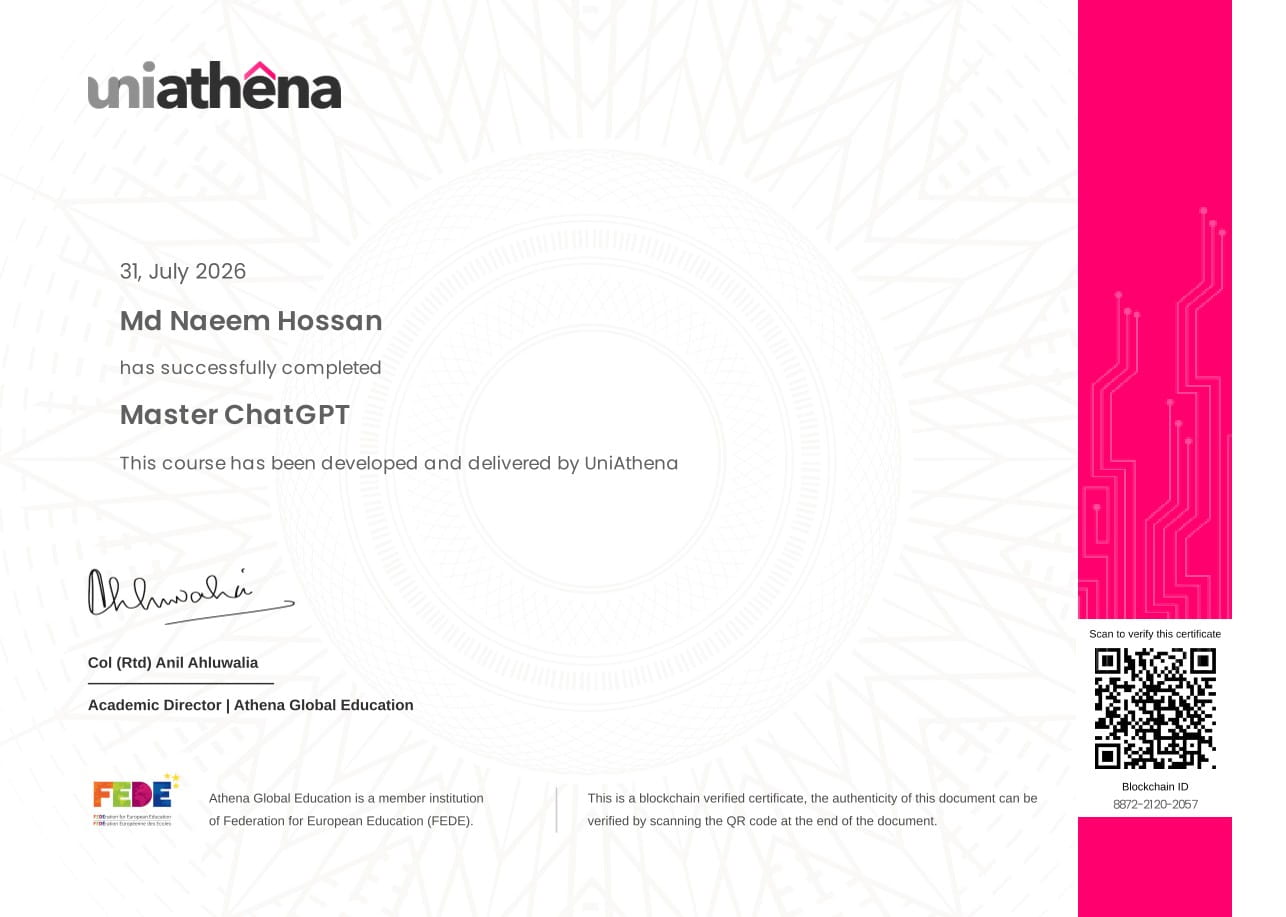
Master ChatGPT Certification
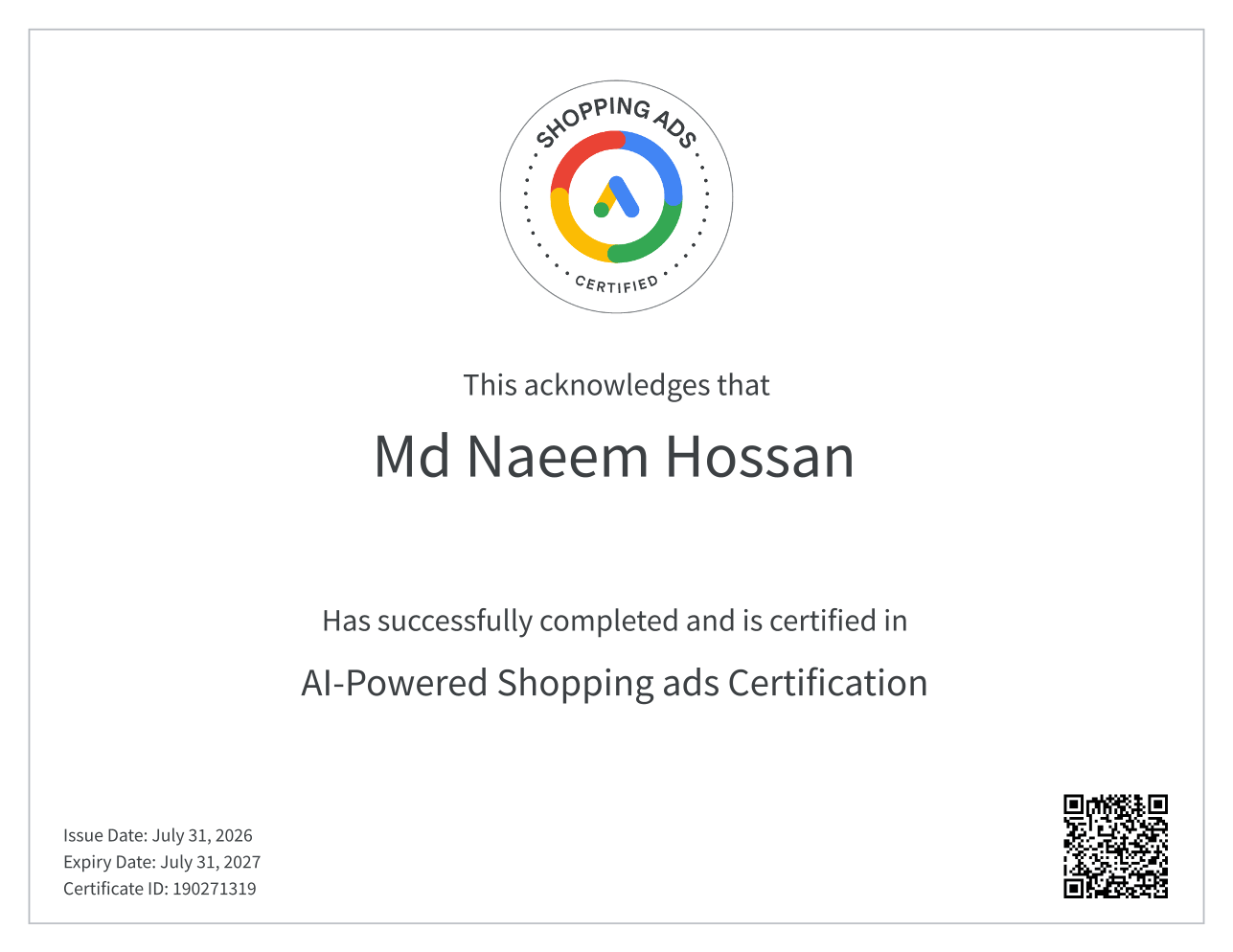
AI-Powered Shopping Ads Certification
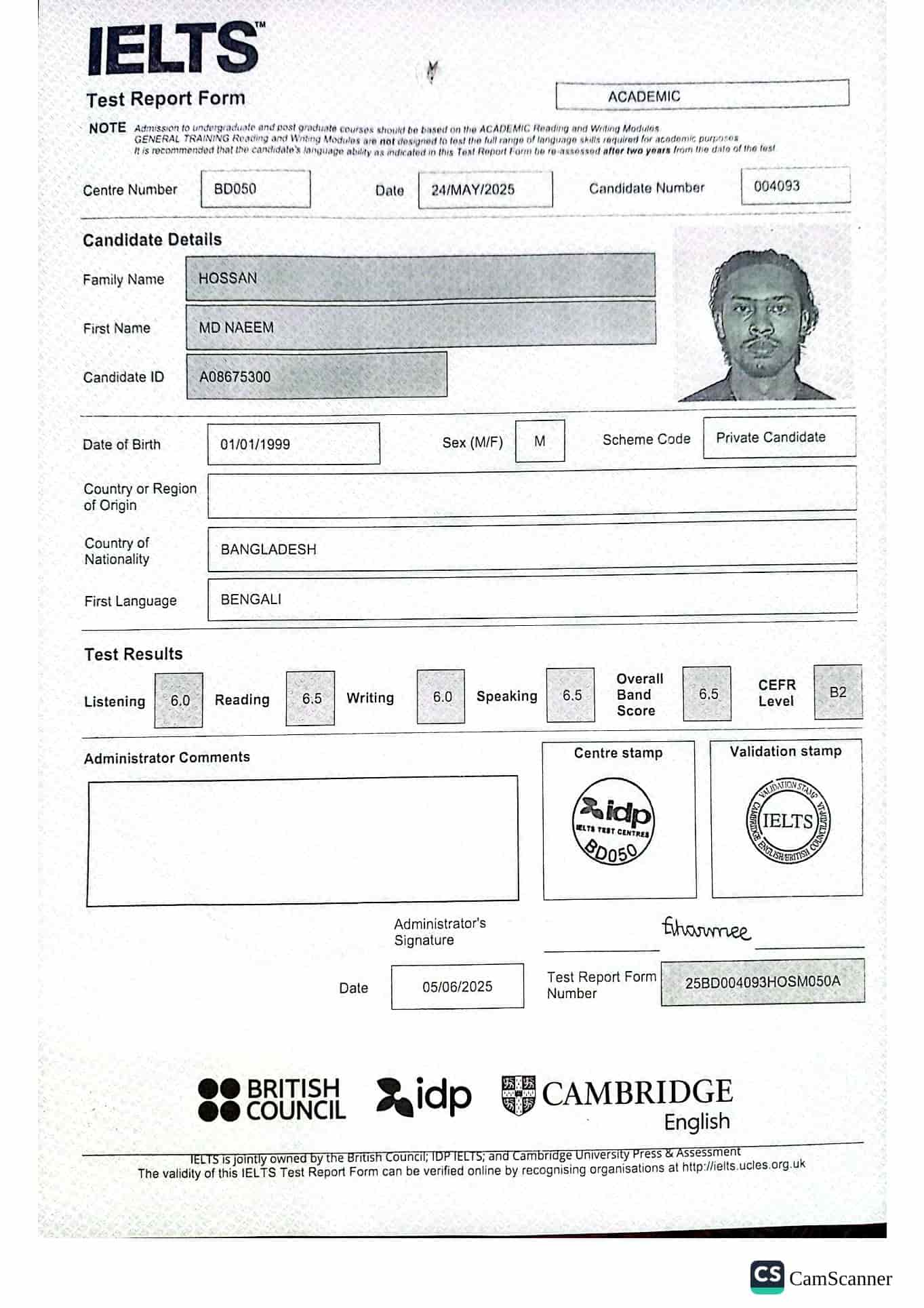
IELTS Certificate
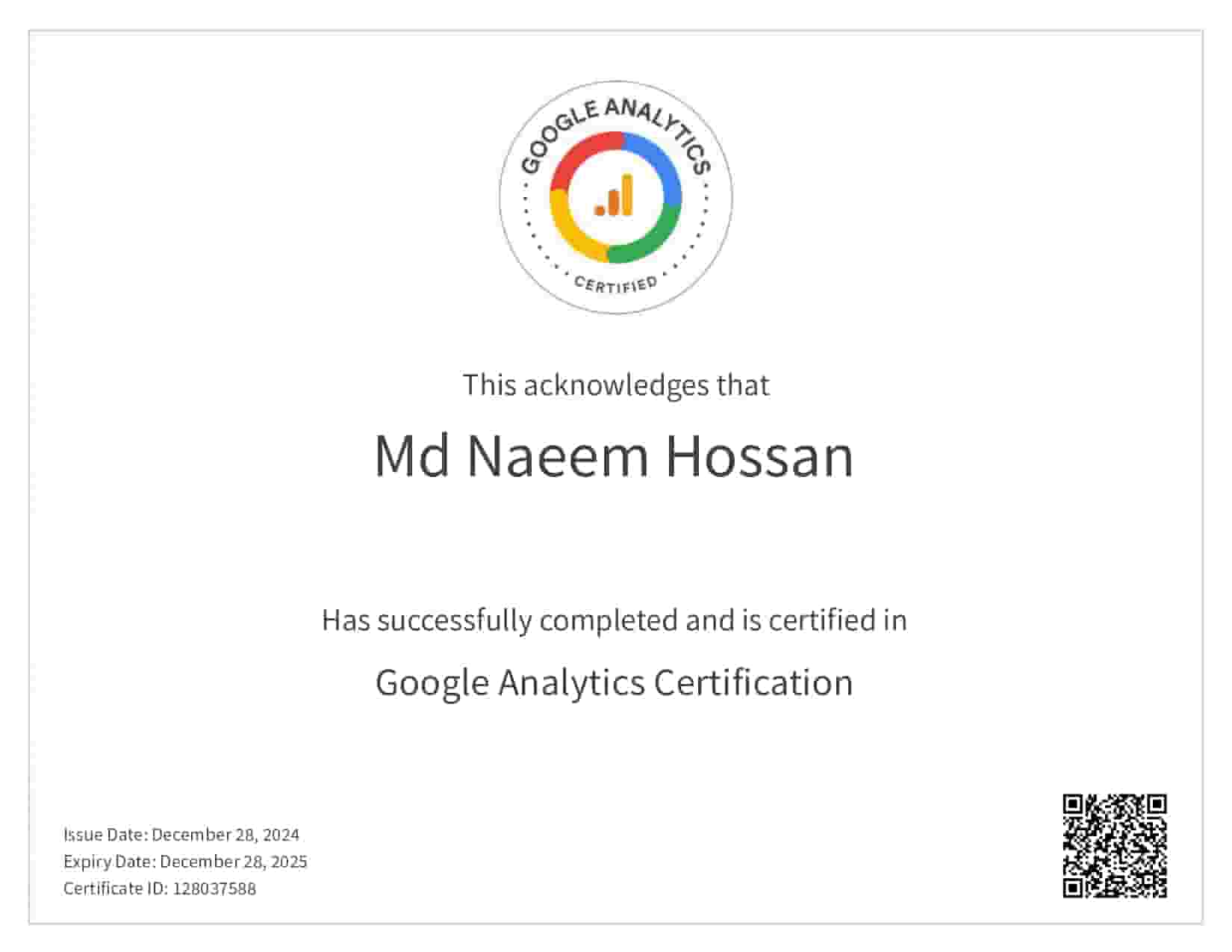
Google Analytics Certification
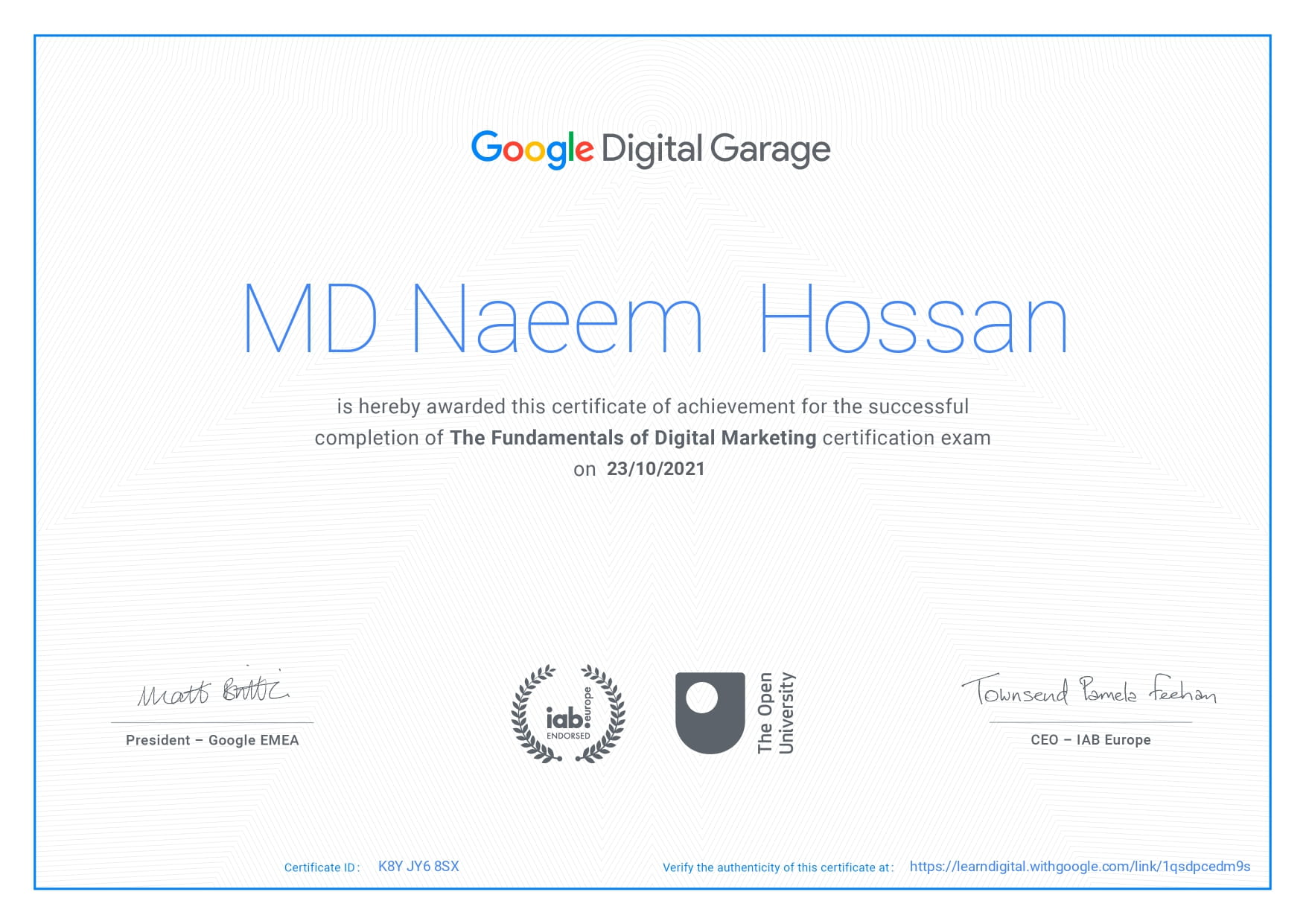
Google Digital Garage Certificate
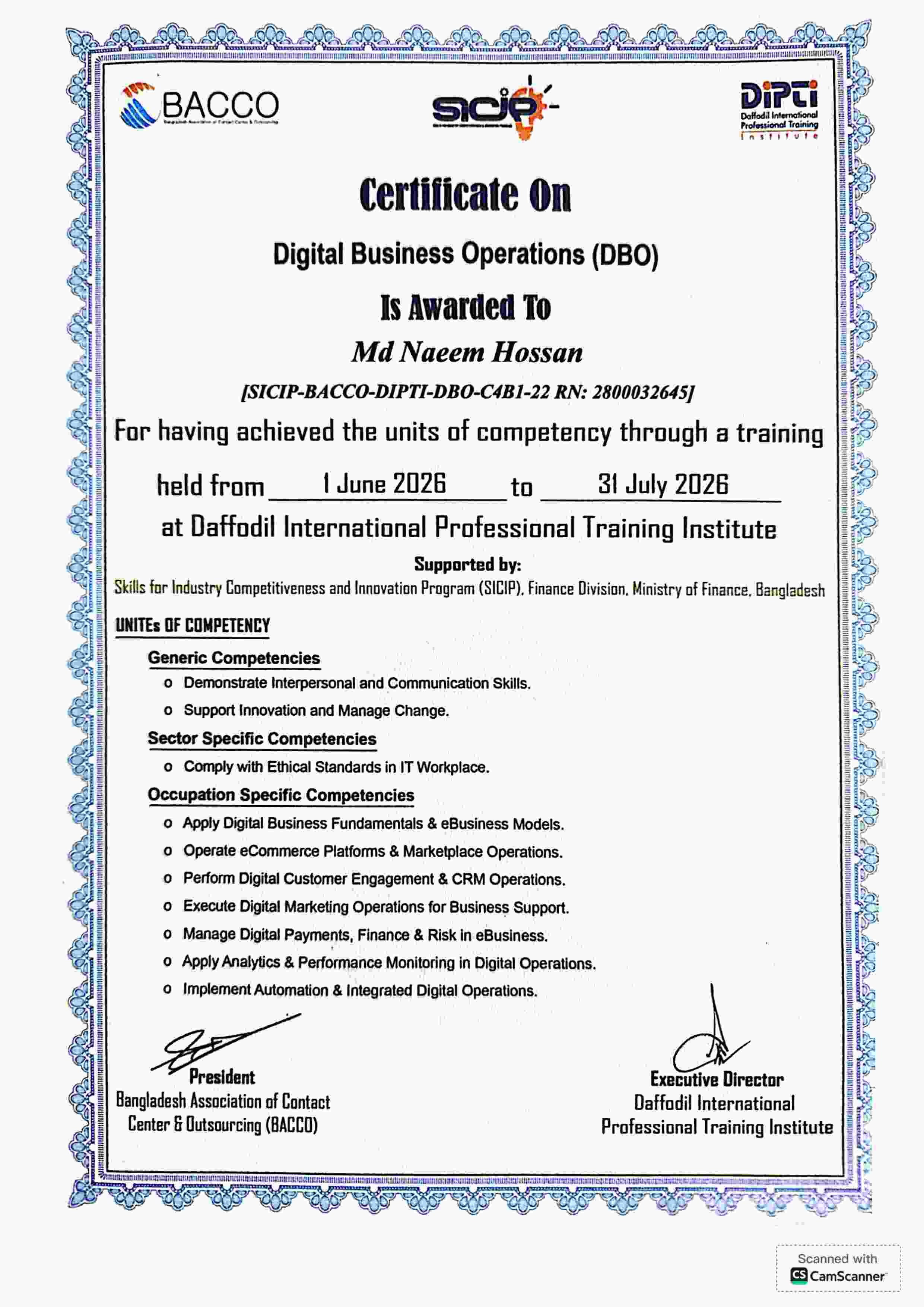
SICIP Digital Business Operations Certificate
Find Out What's Actually Holding Your Growth Back
Book a free 30-minute consultation. Before we speak I’ll review your website, your rankings and your ad activity — so the call opens with findings, not a discovery questionnaire.
You’ll leave knowing the specific gaps between where you are and where you should be, and exactly what I’d do first to close them.
If I don’t think I’m the right person for your situation, I’ll tell you on the call and point you at who is.
No pitch. No pressure. No generic advice pulled from a template.
- Currently accepting new clients
- Response within 24 hours
- London, UK