Paid Social Media Advertising That Turns Scrollers Into Enquiries
Most businesses don’t have a traffic problem — they have a conversion problem hiding behind poor targeting. I run Paid Social Media Advertising for UK small businesses, ecommerce brands, SaaS companies and professional services that are tired of boosting posts and hoping. Every campaign is built around one thing: getting the right person to take the right action, at a cost that makes sense for your margins.
- Meta Ads Specialist
- Conversion-Focused Campaigns
- Monthly Reporting
- Transparent Campaign Management
- Direct Communication (no account juniors)
- Clear, Jargon-Free Updates
Why Organic Reach Stopped Working
There was a time when a good Facebook post reached most of your followers for free. That time is gone. Organic reach on the major platforms has fallen quietly for years, and today a typical unpaid post is seen by a small fraction of the people who follow you — often under 5%. The platforms are businesses. They reward accounts that pay to reach an audience, and they throttle the ones that don’t.
That’s the honest reason so many companies now invest in paid advertising on social media. It isn’t vanity. It’s the only reliable way to put your offer in front of people who’ve never heard of you, on the apps where they already spend hours every day.
Paid campaigns also work faster than almost anything else in marketing. SEO is a long game. Content takes months to compound. A well-structured social media ad campaign can start generating enquiries within days of going live, because you’re buying attention directly rather than waiting to earn it.
There’s an important difference worth being clear about. Boosting a post — that blue “Boost” button — hands your money to the platform with almost no strategy behind it. You pick a vague audience, set a budget, and hope. A professionally managed campaign is a different animal entirely: proper audience research, tracking set up correctly, multiple ad variations tested against each other, budgets shifted toward what’s working, and reporting that tells you what your money actually did. One is gambling. The other is buying customers at a predictable cost.
Why Paid Social Media Advertising Works So Well
The reason paid social outperforms most channels comes down to targeting. No other advertising medium lets you be this precise about who sees your message.
Advanced audience targeting
You’re not buying a billboard and hoping the right people drive past. Demographic targeting lets you reach by age, location, gender, job title and income bracket. Interest targeting reaches people based on the pages, topics and brands they engage with. Behavioural targeting goes further — recent purchase activity, device usage, life events like moving house or starting a new job.
Retargeting and lookalike audiences
Retargeting brings back the people who visited your site or watched your video but didn’t act — often the cheapest conversions you’ll ever get. Lookalike audiences take your best existing customers and find thousands of new people who share their traits. Custom audiences let you upload your own lists and market to them directly. This is where budgets get efficient.
Awareness, leads and sales in one place
The same platforms handle the full marketing funnel. You can build brand awareness at the top, capture leads in the middle with lead forms, and drive sales at the bottom — all measured, all trackable. Every click, every cost per lead, every sale traced back to the ad that caused it. That performance tracking is what separates paid social from guesswork.
Paid Social Advertising Services
Facebook Ads Management
The workhorse of paid social — the biggest reach and the best targeting for most UK audiences. I build it properly and run it day to day, so nothing drifts.
Deliverables: campaign setup · Meta Pixel & event tracking · audience targeting · retargeting funnels · lookalike & custom audiences · budget optimisation · creative testing
Ideal for: local businesses, ecommerce and service brands who want a dependable lead engine, not boosted posts.
Instagram Ads Management
Where visual brands earn attention. Same targeting engine as Facebook — different creative rules, and the first two seconds decide everything.
Deliverables: Reels Ads · Stories Ads · Feed Ads · Shopping campaigns · creative strategy · hook & thumbnail testing
Ideal for: ecommerce, hospitality, property and lifestyle brands whose customers buy with their eyes.
LinkedIn Ads
The serious B2B channel. You pay more per click — but you reach decision-makers by their actual job title, not a guessed interest.
Deliverables: B2B strategy · Lead Gen Forms · Sponsored Content · Conversation Ads · account-based targeting · cost-per-lead reporting
Ideal for: SaaS, consultancies, recruiters and professional services with a considered sales cycle.
Facebook Ads Audit
Already spending but unsure it’s working? Before you commit another pound, I show you exactly where the money’s leaking — in plain English, not a sales pitch.
Deliverables: full campaign review · audience analysis · tracking & conversion audit · budget review · creative review · prioritised recommendations
Ideal for: businesses already running paid social ads who suspect the results should be better.
TikTok Ads
A real performance channel now, not just viral clips. Low cost per view, and creative-first ads that reach audiences the older platforms are pricing out.
Deliverables: short-form video ads · creative-first campaigns · awareness campaigns · sales campaigns · rapid creative testing
Ideal for: ecommerce, younger-skewing products, hospitality, events and startups happy to move fast.
Pinterest Ads
A search and discovery engine dressed as a social app. People arrive already planning to buy — and the clicks are often cheaper than Meta.
Deliverables: Shopping campaigns · catalogue feed setup · product discovery placements · visual advertising · best-seller targeting
Ideal for: ecommerce growth and lifestyle brands — home, interiors, weddings, fashion, food, wellness.
My Process
I don’t have a secret formula. I have a disciplined process that removes guesswork — and that’s what actually protects your budget.
1. Research
Before a single ad goes live, I dig into your business, your margins, your best customers and your competitors. I look at who’s already advertising to your audience, what angles they’re using, and where the gaps are. This is also where I audit your tracking — because if the data’s wrong from the start, every decision after it is wrong too.
2. Audience Strategy
Next, I map the audiences worth reaching: cold prospects, warm retargeting pools, lookalikes built from your customer data, and custom audiences from your own lists. Each audience gets matched to the right stage of the funnel. Cold traffic doesn’t get a hard sell; warm traffic doesn’t get an introduction it doesn’t need.
3. Campaign Setup
Now the build. Clean campaign structure, correct objectives, the Meta Pixel and conversion events firing properly, and multiple creative variations ready to test. I set budgets conservatively at first — you don’t scale something until you know it works.
4. Testing & Optimisation
This is where campaigns are won. I run A/B testing across audiences, creative and copy, then read the data and cut what’s underperforming. Winning ads get more budget; losing ones get switched off. This happens continuously, not once a month.
5. Scaling & Reporting
Once we’ve found what converts, we scale it carefully — increasing spend without breaking the economics that made it profitable. You get clear monthly reporting that shows spend, cost per lead, return on ad spend and what’s planned next. No jargon, no hiding.
Campaign Types I Run
Different goals need different campaign structures. Here’s what I build, depending on what you’re trying to achieve:
capture enquiries directly with native lead forms or drive traffic to a high-converting landing page.
get in front of the right audience at scale when you’re building recognition in a new market.
send qualified visitors to your website, blog or product pages.
conversion-optimised campaigns aimed squarely at purchases and revenue.
win back the people who visited but didn’t act. Usually your cheapest conversions.
dynamic product ads that show the right item to the right shopper automatically. Built for ecommerce.
use video to build audiences you can retarget later at a lower cost.
Most clients run two or three of these together as part of a joined-up paid social media strategy, not in isolation.
Why Work With Me
No agency layers, no account managers reading from a script. You work with the person actually running your campaigns.
You always know where every pound went and what it earned
You speak to the person managing your ads, not a middle layer
We find the winning ad instead of betting everything on one guess
Budget reaches the right people, so less of it is wasted
Decisions are based on real results, not platform vanity metrics
Spend follows performance, not opinion or habit
Lower cost per lead and cost per click over time
Campaigns improve week on week rather than drifting
Paid Social Media Advertising for Small Businesses
You don’t need a corporate budget to compete. Some of the best-performing campaigns I run are for small businesses spending a few hundred pounds a month — because when the targeting and creative are right, a modest budget goes a surprisingly long way.
Small Business Advertising on social platforms has one big advantage: you can start small, prove it works, and scale only what earns its keep. There’s no minimum spend that locks you out. Local targeting lets a plumber, clinic, salon or café reach people within a specific radius — no wasted budget on the wrong side of the country.
For a small business, paid social does three jobs at once. It generates leads and enquiries you can measure. It builds brand awareness so people recognise you before they need you. And it lets you compete with larger businesses on a level playing field, because the ad auction rewards relevance and creative quality, not just who has the deepest pockets. A sharp, well-targeted ad from a local firm can outperform a bland one from a national brand.
If you’ve been boosting the odd post and getting nowhere, this is the difference a proper campaign makes.
Industries I Work With
Paid social works across sectors, but the strategy changes with each. I build campaigns for:
clinics and practices generating patient enquiries within advertising policy rules.
solicitors and firms reaching people at the moment they need advice.
builders, electricians and installers filling their diary with local work.
restaurants, bars and hotels driving bookings and footfall.
colleges, academies and course providers attracting enrolments.
stores and brands driving both online and in-store sales.
agents and developers generating vendor and buyer leads.
software companies filling a pipeline with qualified demos and trials.
consultants and agencies reaching decision-makers.
online brands scaling sales through catalogue and conversion campaigns.
companies selling to other businesses, primarily through LinkedIn and Meta.
If your sector isn’t listed, it doesn’t mean paid social won’t work for you — it usually does. It just means we’ll talk through the specifics on a call.
Results Timeline
Honest expectations matter more than big promises. Here’s a realistic picture of how a well-run campaign tends to progress. These are typical patterns, not guarantees — every account is different.
First 30 Days
The messy month — and that’s normal. Tracking goes in, campaigns launch, and the algorithm enters its learning phase (roughly 50 conversions per ad set to stabilise, so smaller budgets take longer). Early leads arrive, but at an inconsistent and usually higher cost. You’re buying data here, not judging performance yet.
60 Days
Direction starts to show. The stronger audiences and creatives separate from the weak ones, and I cut what’s clearly losing. Cost per lead usually trends down — but it still swings week to week as creatives tire or CPMs rise. Real progress, not yet a straight line.
90 Days
Enough history to act on. Retargeting and lookalikes start pulling their weight and budget moves toward what’s proven. Expect cost per lead to tick back up for a week or two around each scale-up — bigger budget changes re-trigger learning. The overall trend is up, with dips built in.
6 Months
A mature account with a more predictable cost per acquisition, run on evidence rather than guesswork. But mature isn’t set-and-forget: creative fatigues and must be refreshed, CPMs climb in peak seasons, and results still track your budget, offer and market. This is where steady management compounds — not a finish line.
Testimonials
Every review below is independently verified — published on Clutch or Fiverr, where clients are confirmed before they can leave feedback.
“Naeem successfully rolled out a modern, SEO-friendly website that accurately depicted the client’s business structure and services. The team established a smooth workflow through timely outputs, clear communication, and prompt support. Their broad expertise impressed the client.”
Md Kamrul HasanBizz Group — Bizz Solution BD
“Md Naeem Hossan improved organic website traffic by 25%. Increased qualified leads by 20%. Achieved first-page rankings for 15+ keywords. Increased social media engagement by 30%. Completed 100% of assigned project objectives within deadlines.”
COOUK Apprenticeship Provider
“It was a great experience. He understood exactly what I needed to get done and it was a seamless process. He was assertive and very professional, the communication was perfect. I have a lot of work to get done and will definitely use him.”
kobe2024Founder & Director
5.0 ★★★★★ average on Clutch — verified reviews from real clients.
Frequently Asked Questions
What is Paid Social Media Advertising?
It’s paying platforms like Facebook, Instagram, LinkedIn, TikTok and Pinterest to put your ads in front of a chosen audience — including people who’ve never heard of you. Unlike organic posts, you control exactly who sees your message, what action you want, and what you pay per result.
Which social media platform is best for advertising?
It depends on your customers. Facebook and Instagram suit most local and ecommerce brands; LinkedIn is best for B2B; TikTok for younger, visual products; Pinterest for lifestyle and home. Rather than guess, I start where your customers already spend their time — then test. Often the winner isn’t the obvious one.
How much should I spend on paid social ads?
Enough to gather real data, but never more than your margins allow. For most small businesses, £500–£1,500 a month is a sensible start, though it varies by industry and goal. Structure matters more than the number — a small, well-managed budget beats a large, poorly targeted one. I’ll suggest a realistic figure on our call.
How quickly will I see results from paid social campaigns?
Faster than most channels, but not overnight. Ads can drive clicks and enquiries within days, but the first month is largely a learning phase. Cost per lead usually improves from the 30–60 day mark, and a well-run account is noticeably more efficient by 90 days. Anyone promising week-one guarantees is selling something.
Can small businesses really benefit from paid social advertising?
Absolutely — some of my strongest campaigns run on small budgets. The ad auction rewards relevance and creative quality, not just spend, so a sharp local ad can beat a bland national one. You start small, prove what works, and scale only what earns its keep. It’s a genuinely level playing field.
What's included in your campaign management?
The full job: strategy and audience research, tracking setup with the Meta Pixel, campaign build, multiple creative variations, ongoing A/B testing, budget optimisation, retargeting and lookalikes, and clear monthly reporting. It’s continuous, hands-on management — not a set-and-forget setup — and you deal directly with me, not a junior account handler.
How do you measure the success of a campaign?
By outcomes that affect your business — cost per lead, cost per acquisition, return on ad spend and qualified enquiries — not likes and impressions. Everything’s tracked through the Meta Pixel and Google Analytics 4, so results trace back to the specific ads that caused them. Reporting is monthly and in plain English.
Do you manage creative testing?
Yes — it’s one of the most important parts of the job. The creative usually decides whether a campaign wins or loses, more than the targeting does. I test variations against each other — hooks, formats, angles, calls to action — put budget behind the winners, and refresh creative before it fatigues. It runs continuously, not just at launch.
Can you audit my existing ad campaigns?
Yes, and it’s the sensible first step if you’re spending but unsure it’s working. I review your campaign structure, audiences, tracking, budget and creative, then hand you a prioritised list of fixes in plain English. Faulty tracking and audience overlap are the two most common leaks I find. Act on it in-house, or hand it over.
Why hire a Paid Social Media Advertising specialist instead of doing it myself?
You can run ads yourself — the question is what it costs you. Most self-run accounts quietly leak budget through poor tracking, muddled targeting and untested creative, and it takes months to spot why. A specialist brings that experience up front, so your spend works harder from day one — and frees you to run your business.
Meta Ads is one of nine channels I plan and run together. See how it connects to the rest on the digital marketing services hub — or read why one digital marketing strategist across every channel beats four separate suppliers.
Professional Certifications
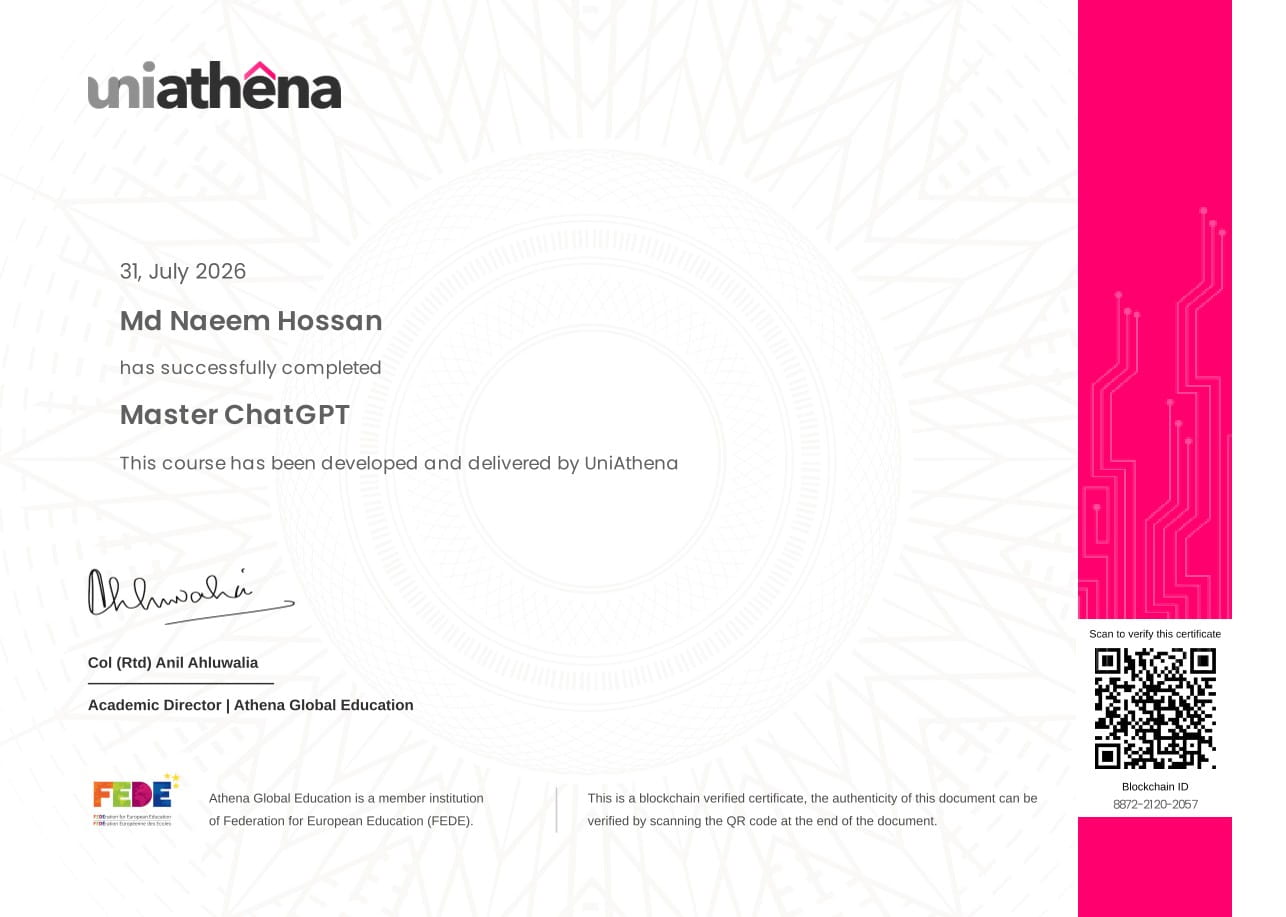
Master ChatGPT Certification
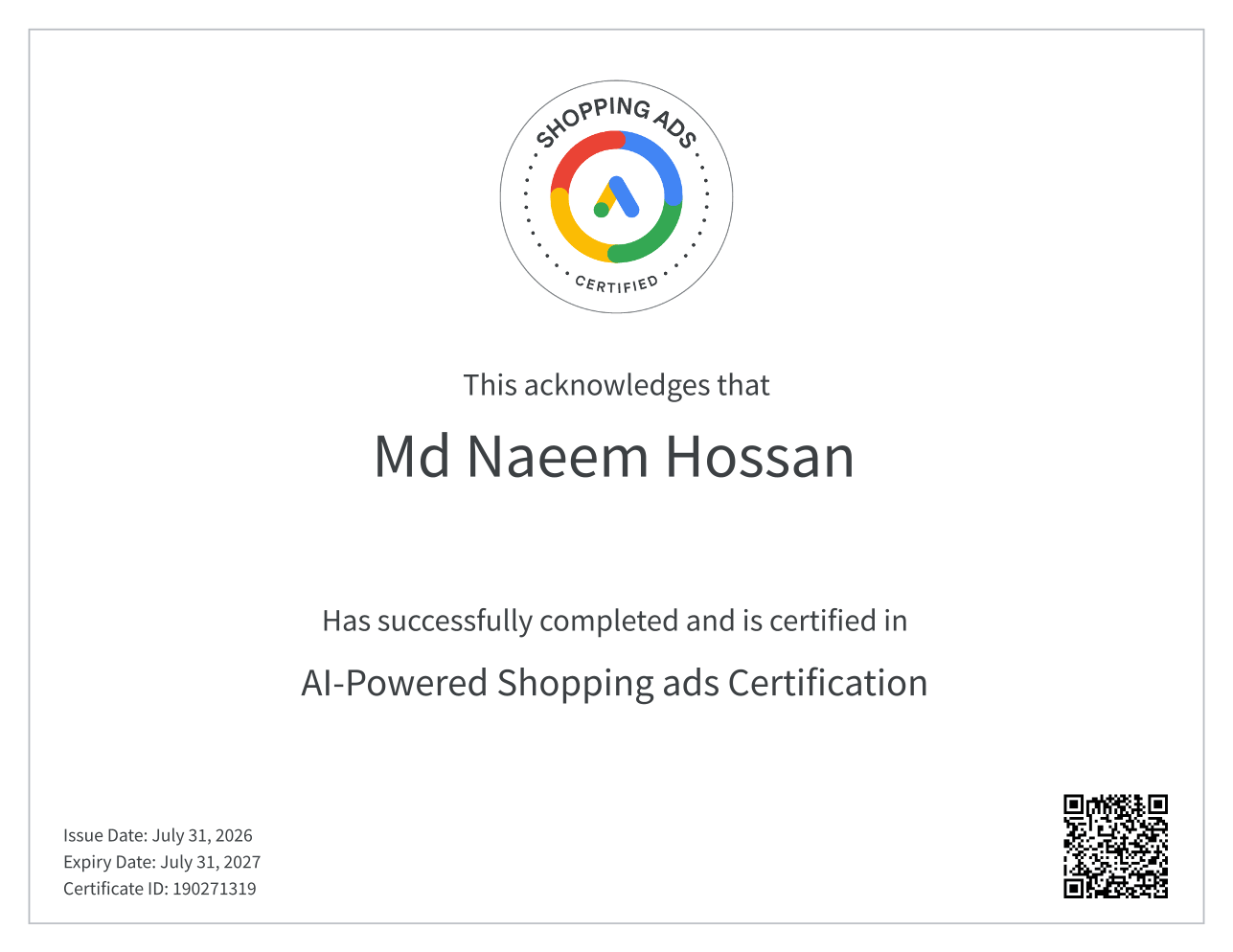
AI-Powered Shopping Ads Certification
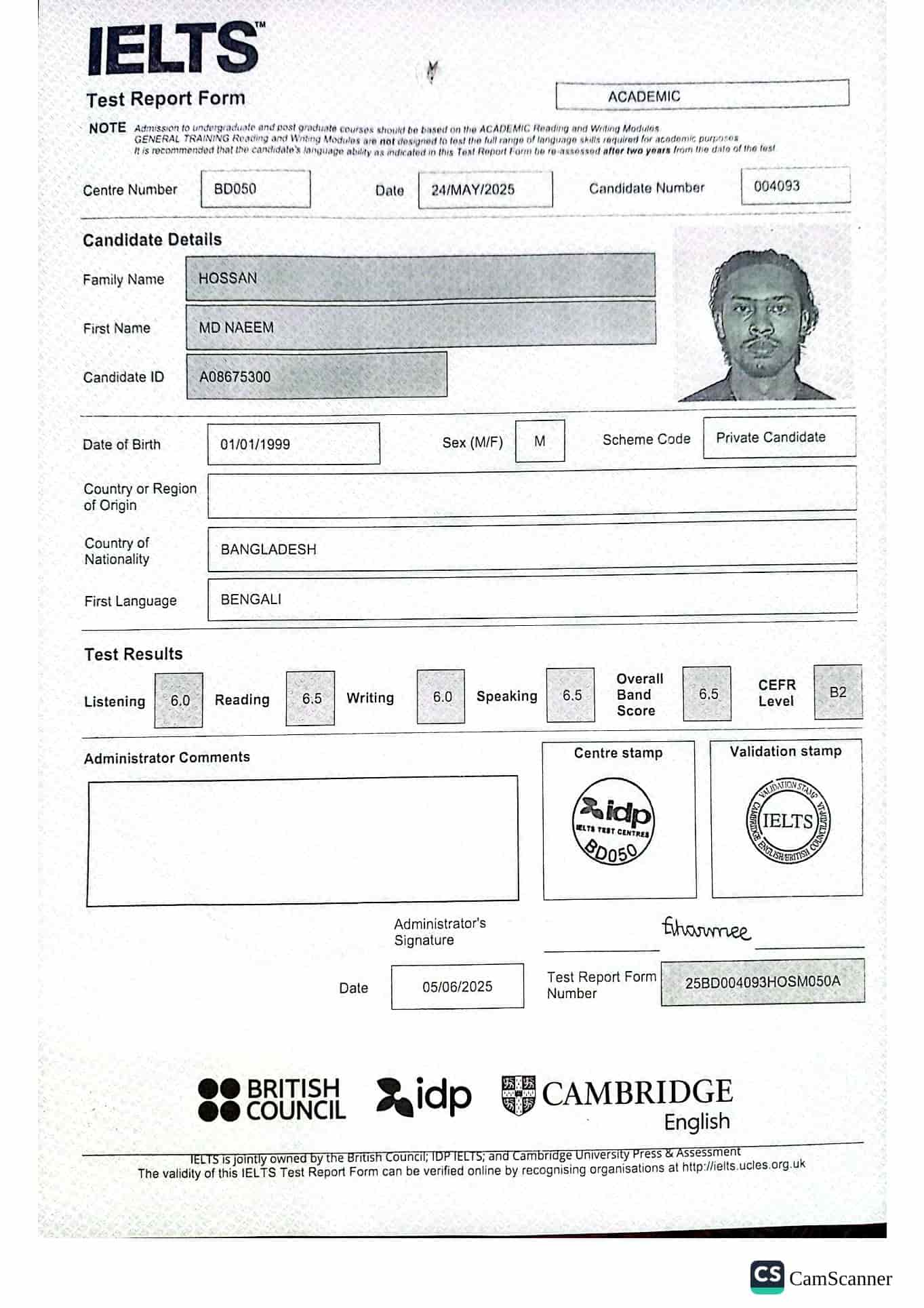
IELTS Certificate
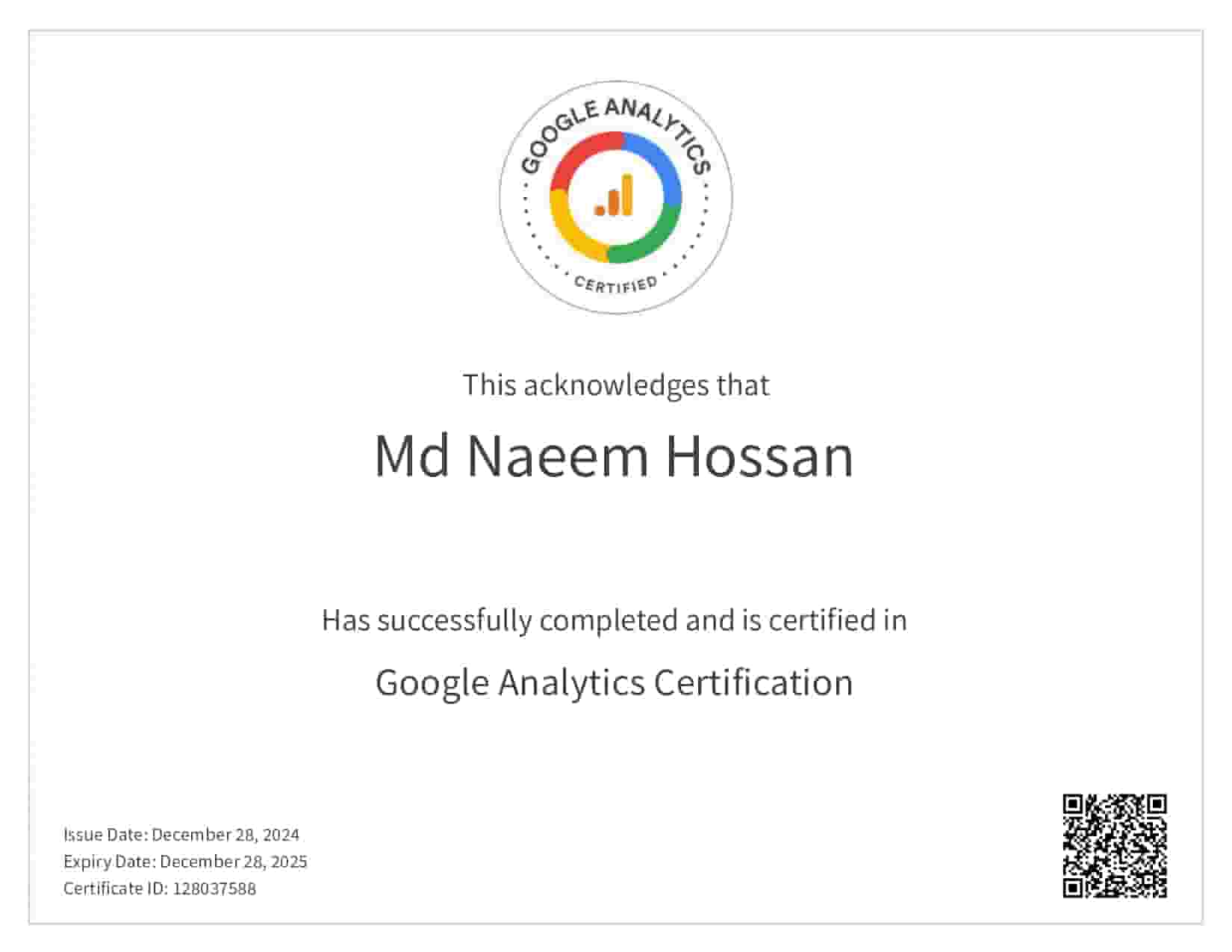
Google Analytics Certification
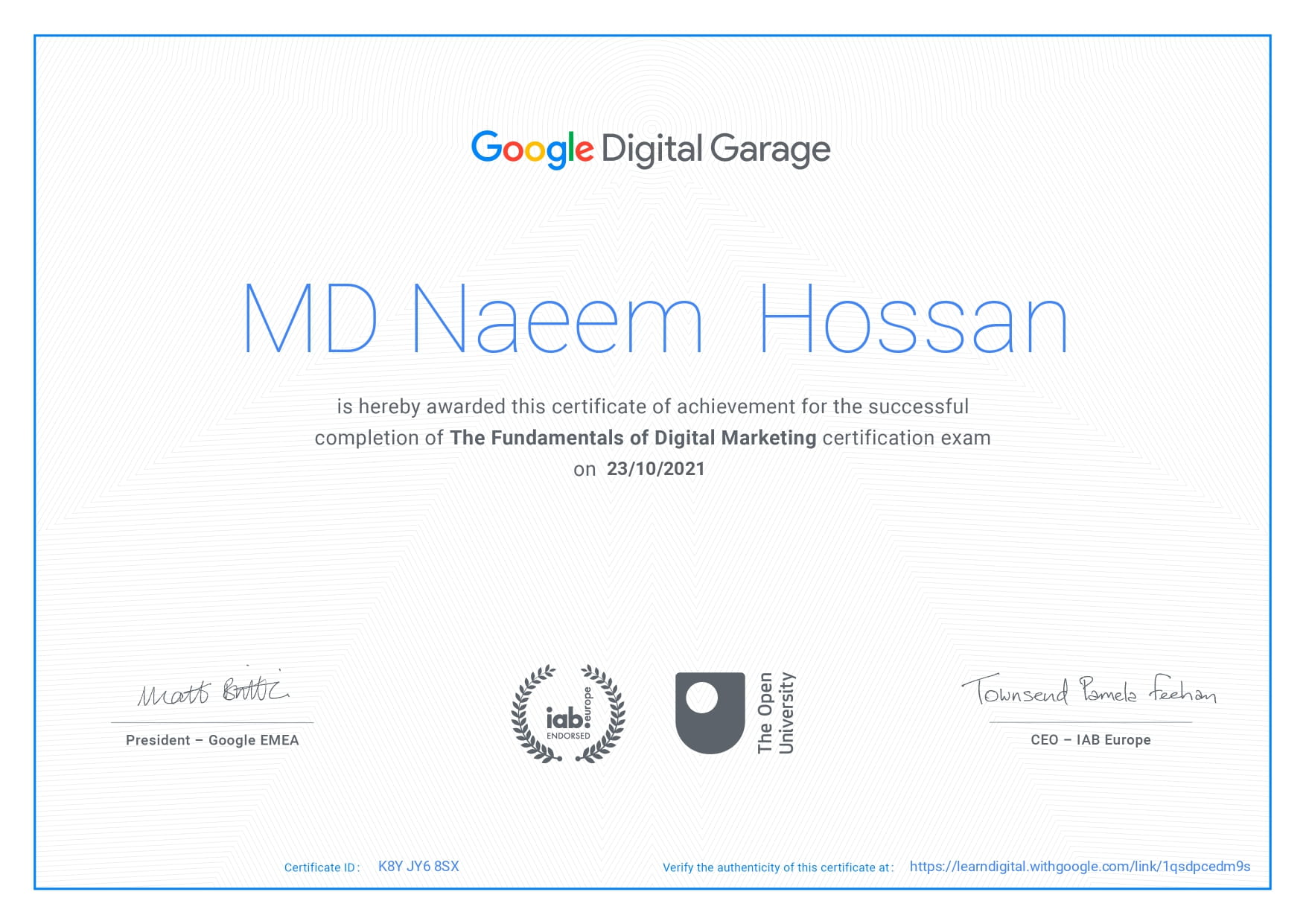
Google Digital Garage Certificate
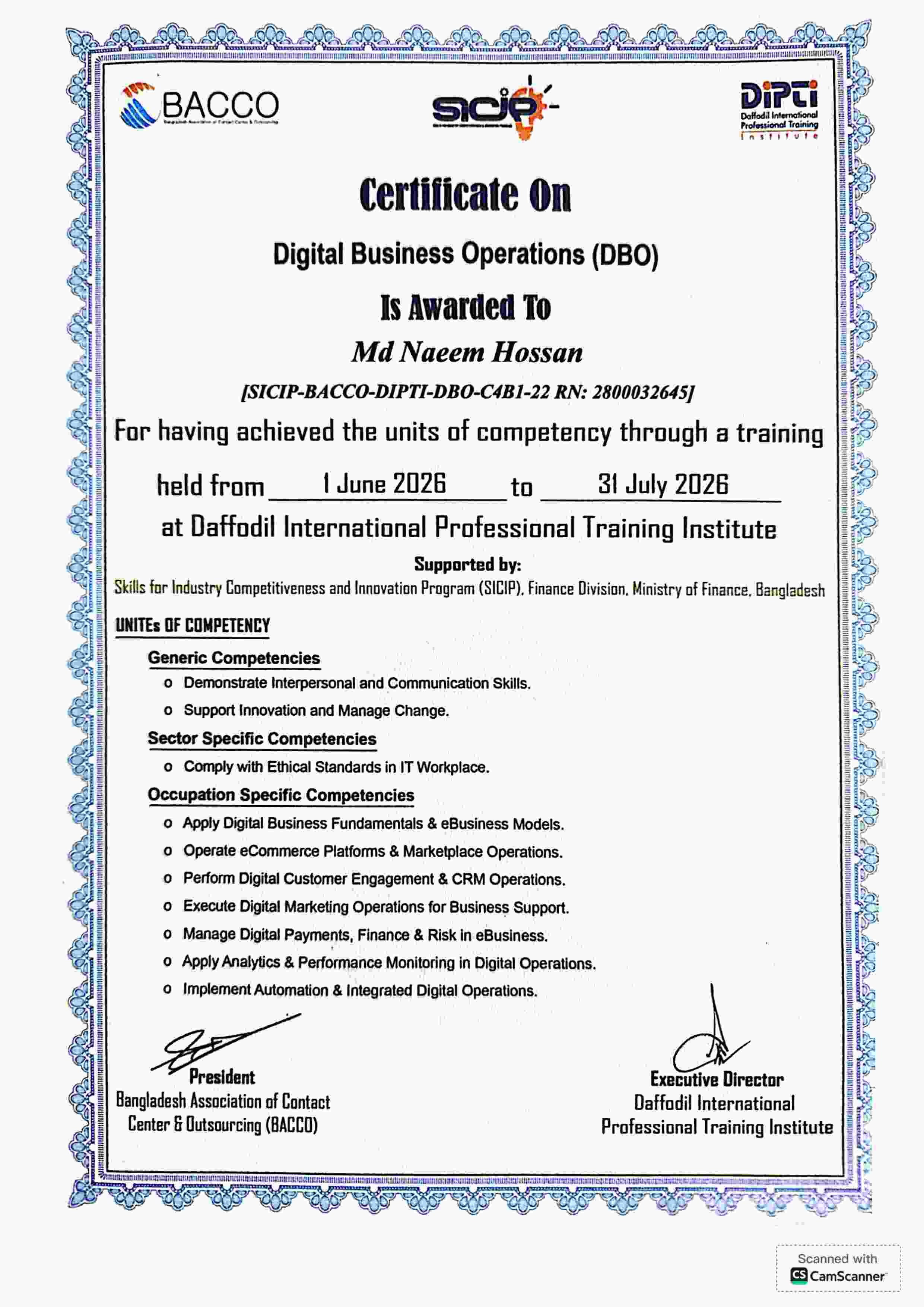
SICIP Digital Business Operations Certificate
Let's Turn Your Ad Budget Into Real Enquiries
If you’re ready to stop boosting posts and start running Paid Social Media Advertising that’s built around results, let’s talk. There’s no obligation and no hard sell — just an honest conversation about your business, your goals and whether paid social is the right fit for you.
I’ll look at where you are now, tell you what I’d do differently, and give you a realistic view of what’s possible with your budget. If it’s a good fit, we go from there. If it isn’t, I’ll tell you that too.
Book your free strategy call today — and let’s build campaigns that bring the right people to your door.