Google Ads Freelancer London — PPC That Brings in Customers, Not Just Clicks
You don’t need a bigger budget. You need someone who actually looks at your account. I’m a freelance Google Ads specialist working with London businesses tired of paying for traffic that never turns into enquiries. No account managers, no junior handovers — you deal with me, every time.
- Google Ads Specialist — 4 yeard
- Monthly Reporting
- Long-Term Contracts
- Direct Communication
- ROI Focused
Google Ads Is Still the Fastest Way to Reach People Ready to Buy
Search advertising doesn’t create demand — it intercepts it. Someone in Clapham types “emergency plumber near me” at 11pm. A finance director searches “invoice automation software UK” on a Tuesday morning. These people already want what you sell.
That’s the real difference between SEO and PPC. SEO is an asset you build over months. PPC is a tap: turn it on and you have traffic this afternoon, turn it off and it stops. Most healthy businesses run both — but if you need enquiries this quarter, paid search is the honest answer.
Invest in PPC when three things are true: you know roughly what a customer is worth, your website converts visitors into calls or sales, and you can fund a test for three months.
Why a Freelancer Often Beats a Big Agency
Agencies win pitches with senior people, then hand the account to whoever joined last month. I carry fewer clients, so your account gets looked at properly rather than run on autopilot. Decisions happen in hours, not after a fortnight of internal approvals — and there’s no retainer padded out to cover an office in Shoreditch.
The Case for Paid Search
Nobody searches “family law solicitor London” casually.
New site, no authority? Google Search Ads put you above established competitors from day one.
Clean conversion tracking ties spend to leads and revenue, not impressions.
Set a daily cap, raise it when it works, pause it when you’re at capacity.
Location, device, time of day, past visitors, customer lists.
Most people don’t buy first visit. Bring them back cheaply.
Every week the account tells you something new about your market.
Google Ads Service
PPC for Ecommerce
Ecommerce PPC lives or dies on product data. I fix the feed before touching bids — a clean Merchant Center listing beats any bidding trick.
Deliverables: Merchant Center setup and diagnostics · feed optimisation · Shopping Ads and Performance Max build · product-level bidding · GA4 revenue tracking · margin-based ROAS targets · dynamic remarketing
Ideal for: Shopify, WooCommerce and BigCommerce brands who want profit, not vanity ROAS.
PPC Keyword Research
Most wasted budget comes from keyword lists built on volume alone. I sort terms by what the searcher is actually trying to do — research, compare, or buy now.
Deliverables: keyword and intent map · competitor term analysis · search term mining · negative keyword lists · match type strategy · cost per click modelling
Ideal for: first campaigns, or accounts whose search terms report is full of traffic you shouldn’t be paying for.
Bing PPC Ads
Microsoft Ads gets ignored, which is exactly why it’s cheaper. Less competition, lower cost per click, and an audience that skews older and more corporate.
Deliverables: rebuild from Google Ads · Bing-specific keyword and bid adjustments · LinkedIn profile targeting · Microsoft Shopping feed · UTM tracking into GA4
Ideal for: B2B, finance, legal and healthcare, or anyone whose Google costs have climbed too far.
SaaS PPC
SaaS PPC isn’t lead generation, it’s pipeline. A free trial signup means nothing if nobody upgrades, so I optimise toward events that matter downstream.
Deliverables: competitor and alternatives campaigns · problem-aware keyword sets · demo and trial funnels tracked separately · CRM conversion imports · value-based bidding on lead quality · landing page tests
Ideal for: B2B SaaS with a defined ICP, a working sales process and exportable CRM data.
Pay Per Click Strategy
Sometimes you need a plan, not a manager. This works backwards from your target cost per acquisition and tells you plainly whether the numbers stack up.
Deliverables: break-even CPA model · market and competitor audit · channel and campaign recommendations · monthly budget forecast · account structure blueprint · tracking requirements · prioritised roadmap
Ideal for: startups, businesses returning to paid search after a bad experience, in-house teams wanting a second opinion.
PPC Campaign Optimisation
Launching is the easy part. This is ongoing management for accounts that run but have stopped improving — usually because nobody’s read the search terms in months.
Deliverables: weekly search term reviews · negative expansion · ad and RSA asset testing · bid strategy tuning · Quality Score diagnosis · budget reallocation · device and location adjustments
Ideal for: advertisers spending £1,500+ a month whose costs rise while conversions sit flat.
What Google Ads Management Covers
Search campaigns are the foundation — high-intent keywords, tightly grouped, ad copy matching what was typed. Performance Max is excellent or a black hole depending on asset quality and exclusions, so I run it alongside search, not instead of it. Shopping campaigns handle retail demand through the product feed. Display campaigns are used sparingly, with strict placement exclusions.
Remarketing brings back visitors who didn’t convert — usually your cheapest conversions. YouTube Ads suit brands with decent video and a longer buying cycle. Brand campaigns protect your name cheaply when competitors bid on it. Lead generation campaigns are built around form quality and call tracking, not raw volume. Competitor campaigns target people already shopping around: expensive clicks, strong intent. Call campaigns matter for trades and clinics, where a phone call beats a contact form.
How I Run an Account
Step 1 — Research & Strategy
I start with your numbers: order value or client lifetime value, close rate, and what a lead can cost before it stops making sense. Then the market — who’s bidding, what they promise, where the gaps are. Keyword research follows, mapped by intent, negatives drafted before a penny is spent. You get a written plan covering structure, budget split and forecast.
Step 2 — Campaign Build
Campaigns are built for clarity: sensible segmentation, keyword groups tight enough that the ad always matches the search, negatives applied from the start. Ad copy gets written properly — real offers, real differentiators, extensions filled out. Where landing pages are weak I’ll say so, since Quality Score and conversion rate both depend on them.
Step 3 — Tracking & Launch
Nothing goes live without working measurement. Google Tag Manager for events, Google Analytics 4 configured to match, conversion tracking with values attached, call tracking where phone calls matter, CRM imports for longer sales cycles. I test every conversion myself, then launch on a controlled budget while data builds.
Step 4 — Optimisation & Scaling
Weekly: search terms, negatives, budget shifts. Monthly: ad testing, bid strategy review, audience and landing page work. Once cost per acquisition is stable and profitable we scale in steps, watching for the point where efficiency drops. Scaling too fast is how good accounts get broken.
Why Work With Me
Why Choose Me
Benefit To Your Business
Direct communication
You speak to the person in your account — no account manager relaying messages
Data-driven decisions
Changes are based on search terms and conversion data, not hunches
Transparent reporting
Plain-English monthly reports showing spend, leads, cost per lead and return on ad spend
Revenue focus
Optimised toward enquiries and sales, not clicks or impressions
Manual optimisation
Automation is used where it helps and overridden where it wastes money
No hidden fees
Flat management fee, your own ad account, your data stays yours
Continuous testing
Ads, landing pages and bid strategies tested monthly so performance keeps improving
No long-term contracts
Rolling monthly terms — I keep the work because it performs
Who I Help
Ecommerce brands chasing profitable ROAS. Healthcare and private clinics needing steady patient enquiries. Legal firms competing on the UK’s most expensive keywords. Education providers filling courses to deadline. Professional services — accountants, consultants, agencies. Trades and home services who need the phone ringing today. SaaS and B2B companies with long sales cycles. Hospitality and retail with seasonal peaks. And startups spending their first serious money on customer acquisition.
A Realistic Timeline
Nobody can guarantee positions or a specific return — anyone promising otherwise is selling something. Here’s what typically happens.
First 30 days.
Setup, tracking, launch. Data collection matters more than performance. Early conversions often arrive, but cost per acquisition sits at its highest while Google learns.
60 days.
Wasted spend cut through negatives and search term work. Bid strategies have data to work with. Cost per lead usually starts falling and patterns become clear.
90 days.
The account should be stable enough to judge properly — winners identified, weak campaigns restructured, landing page tests running.
6 months.
Focus shifts to scaling: new keyword sets, Performance Max or Shopping where relevant, remarketing layers, possibly Microsoft Ads. Results depend on your market, margins, budget and how well your site converts.
Verified Reviews From Real Clients
Every review below is independently verified — published on Clutch or Fiverr, where clients are confirmed before they can leave feedback.
“Naeem successfully rolled out a modern, SEO-friendly website that accurately depicted the client’s business structure and services. The team established a smooth workflow through timely outputs, clear communication, and prompt support. Their broad expertise impressed the client.”
Md Kamrul HasanBizz Group — Bizz Solution BD
“Md Naeem Hossan improved organic website traffic by 25%. Increased qualified leads by 20%. Achieved first-page rankings for 15+ keywords. Increased social media engagement by 30%. Completed 100% of assigned project objectives within deadlines.”
COOUK Apprenticeship Provider
“It was a great experience. He understood exactly what I needed to get done and it was a seamless process. He was assertive and very professional, the communication was perfect. I have a lot of work to get done and will definitely use him.”
kobe2024Founder & Director
5.0 ★★★★★ average on Clutch — verified reviews from real clients.
Google Ads Questions, Answered Straight
How much does Google Ads cost?
Two costs: ad spend and management. Ad spend is yours to set and you pay Google directly, so there’s no markup. Cost per click ranges from pence on retail terms to £30+ on London legal keywords. Management is a flat monthly fee, quoted before we start.
How much should I spend on Google Ads?
Work backwards, don’t pick a round number. If a customer is worth £1,000 and one in five leads closes, you can afford around £200 per lead. As a floor, budget for 15–20 clicks a day — below that, decisions take months instead of weeks.
How quickly do Google Ads work?
Traffic starts within hours of approval and conversions often land in week one. Judging the channel fairly takes about 90 days: bid strategies need four to six weeks to settle, and longer sales cycles push it further. Anyone promising profit in week one is guessing.
What’s the difference between SEO and PPC?
SEO earns unpaid rankings over six to twelve months and keeps working once established. PPC buys placement today and stops when you pause. They feed each other — paid search shows which terms actually convert, which tells your SEO team what to target.
Can I pause campaigns whenever I want?
Yes, in minutes, and I work on rolling monthly terms. Worth knowing: pausing resets some of the learning automated bidding relies on, so restarting can cost more for a fortnight. For short breaks, lowering budgets usually beats switching off.
Do you manage ecommerce campaigns?
Yes — Shopping, Performance Max and dynamic remarketing across Shopify, WooCommerce, Magento and BigCommerce. Work starts with the product feed, since Merchant Center errors quietly cap performance however good the bidding is. Basket abandonment remarketing is normally the quickest win.
Do you work with SaaS companies?
Yes. Optimising for trial signups alone fills your pipeline with people who never pay, so I import qualified lead and closed-won events from your CRM and bid on those instead. Competitor, category and problem-aware terms get separate campaigns and separate pages.
How do you track conversions?
Properly, and before launch. Google Tag Manager for events, Google Analytics 4 configured to match, conversion values attached so you see return on ad spend rather than counts. Call tracking where phones matter, CRM imports for long cycles. I test every conversion myself.
What reports will I receive?
A monthly report in plain English: spend, conversions, cost per acquisition, return on ad spend, what changed and what’s next. Plus a live dashboard and admin access to your own account. Anything significant mid-month, you hear about it then.
Why hire a Google Ads freelancer instead of an agency?
Cost and attention. Agency retainers cover overheads you don’t benefit from, and the person who impressed you at the pitch rarely runs the account. With me, the person building your campaigns is the person you email. Agencies win if you need every channel at once.
Google Ads & PPC is one of nine channels I plan and run together. See how it connects to the rest on the digital marketing services hub — or read why one digital marketing strategist across every channel beats four separate suppliers.
Professional Certifications
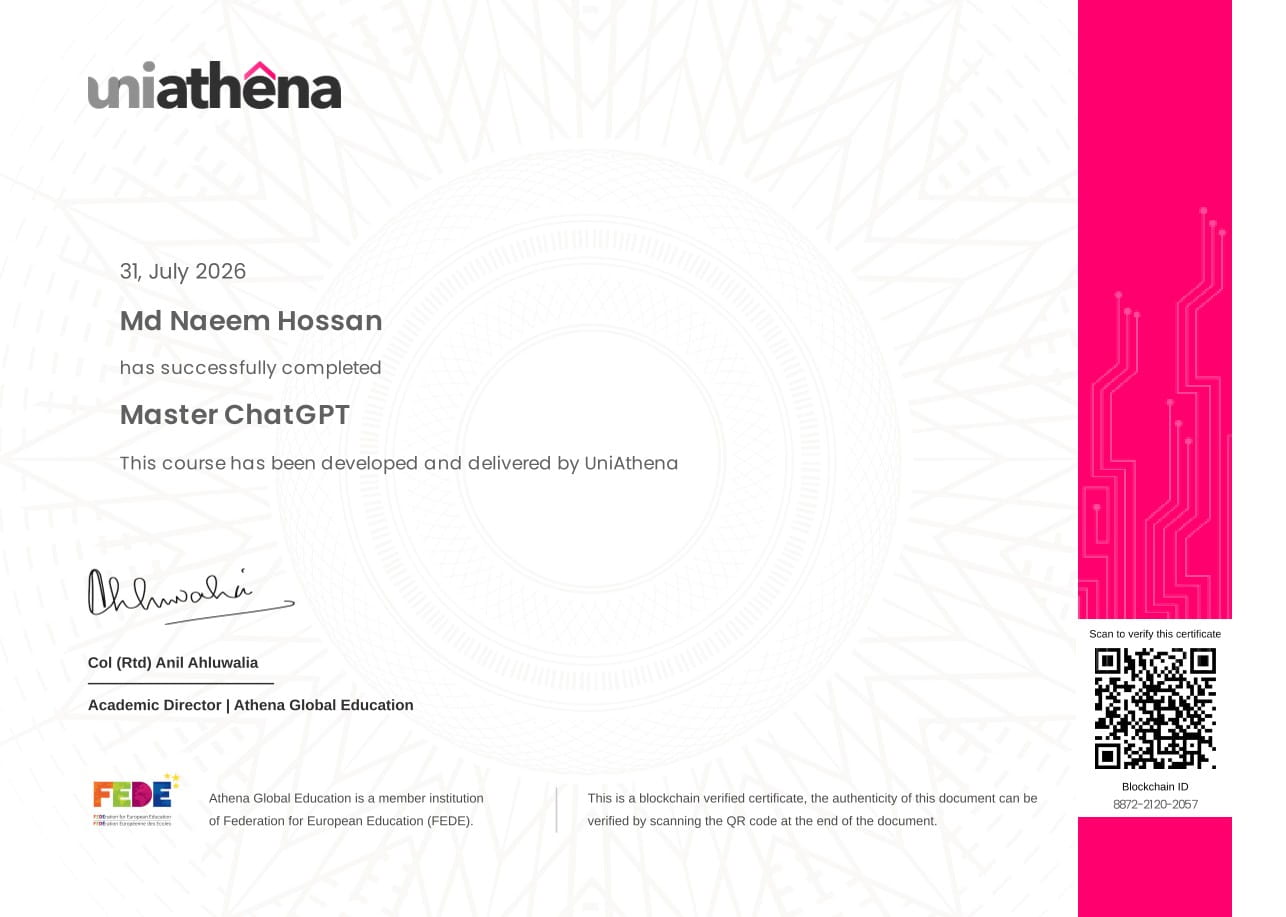
Master ChatGPT Certification
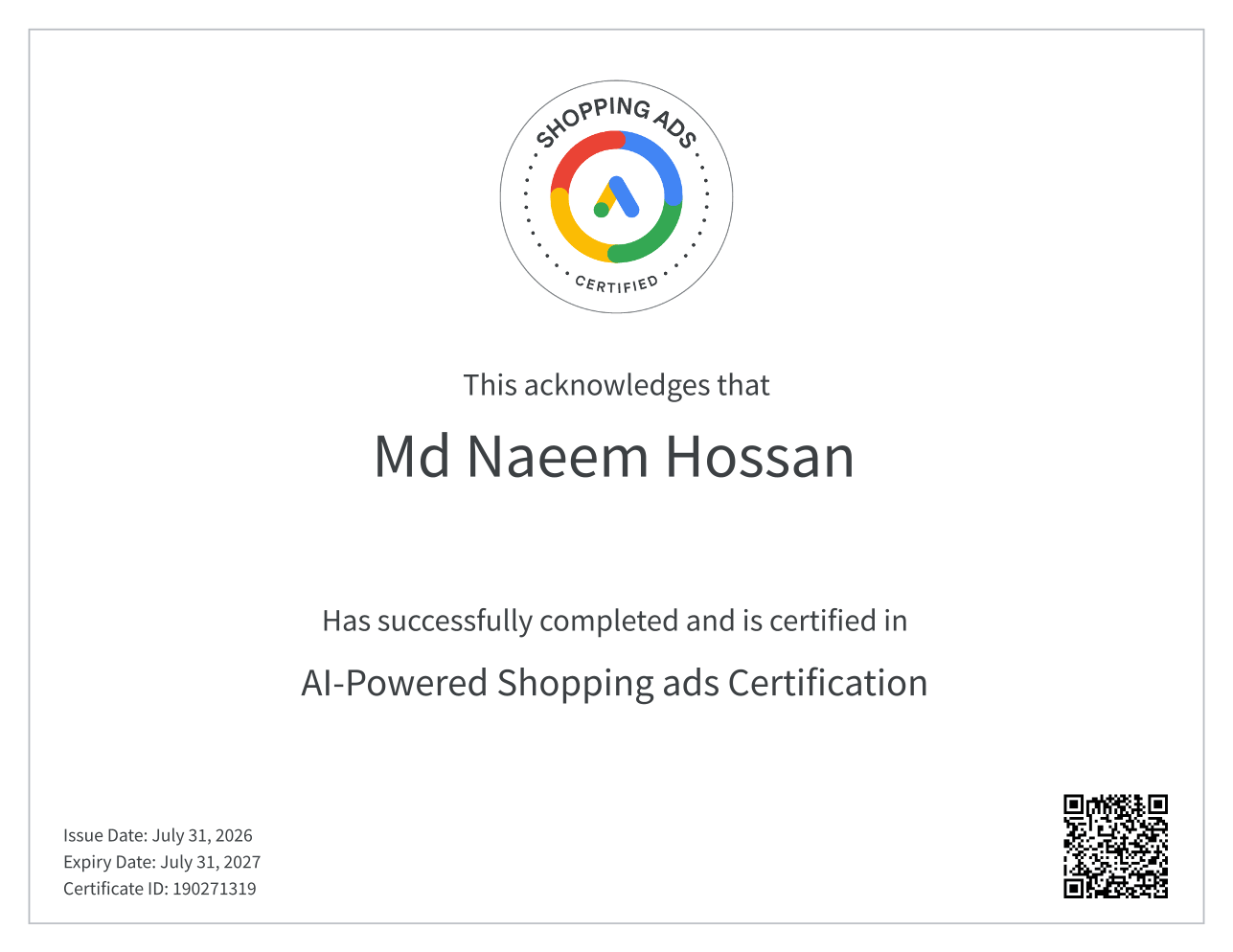
AI-Powered Shopping Ads Certification
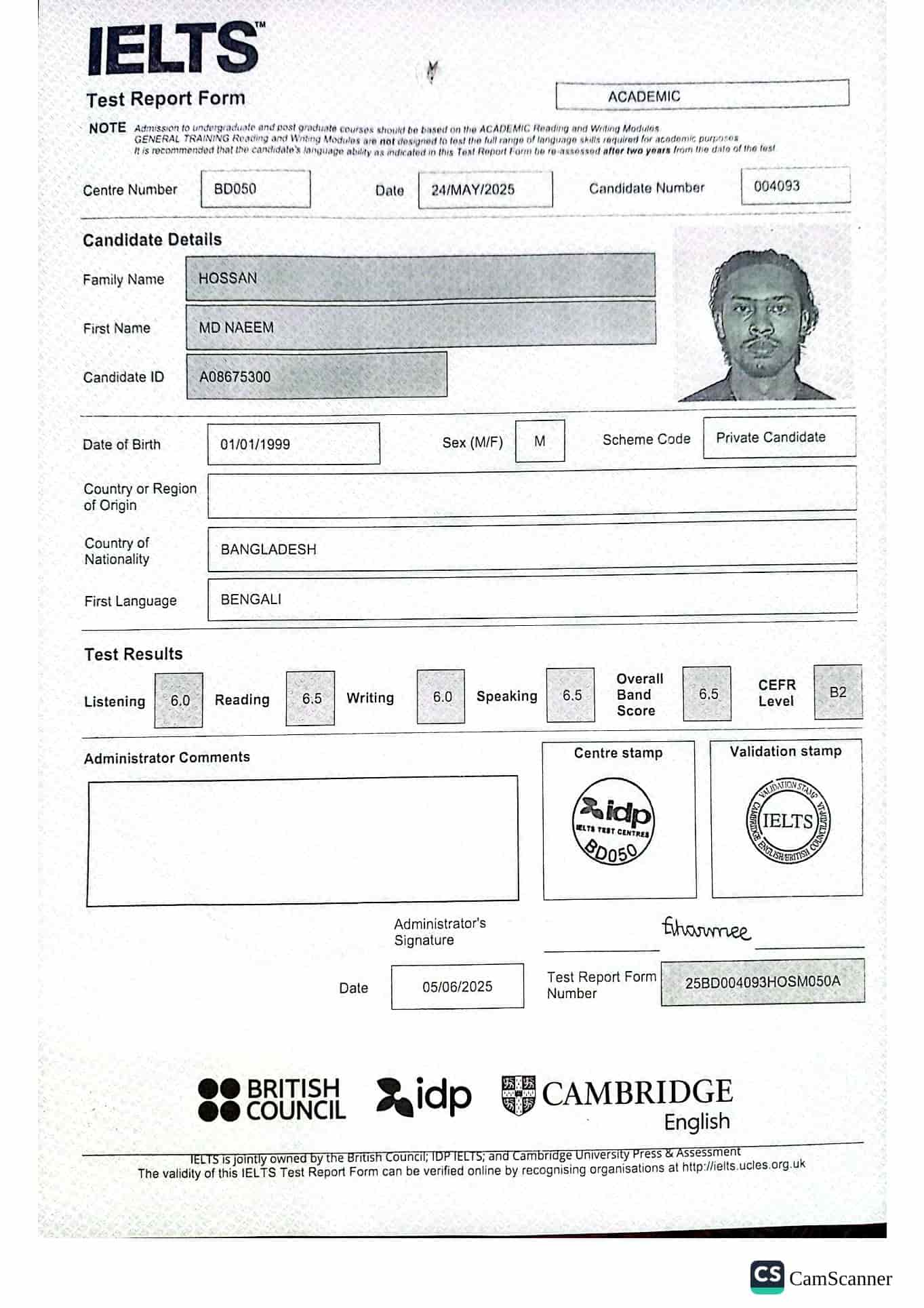
IELTS Certificate
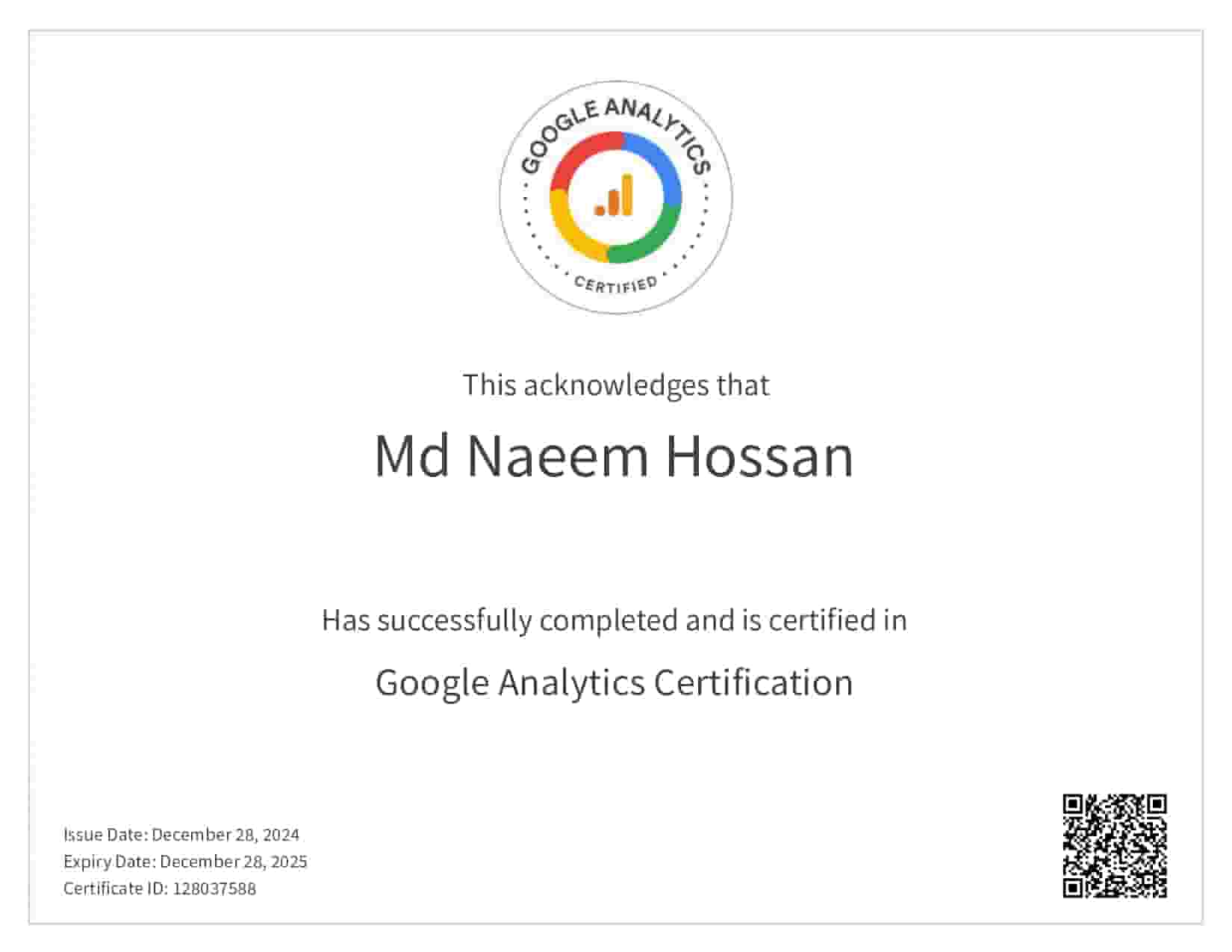
Google Analytics Certification
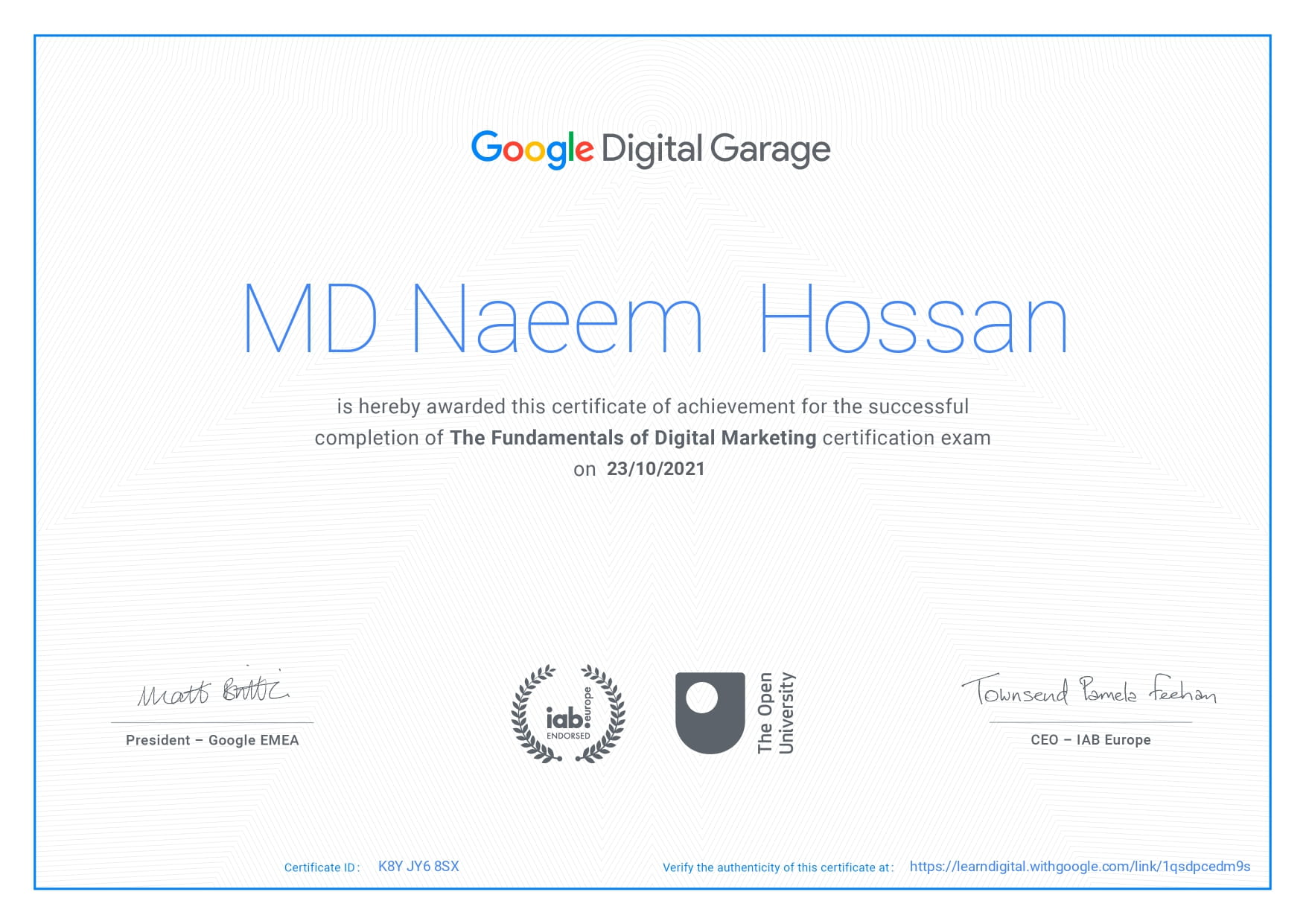
Google Digital Garage Certificate
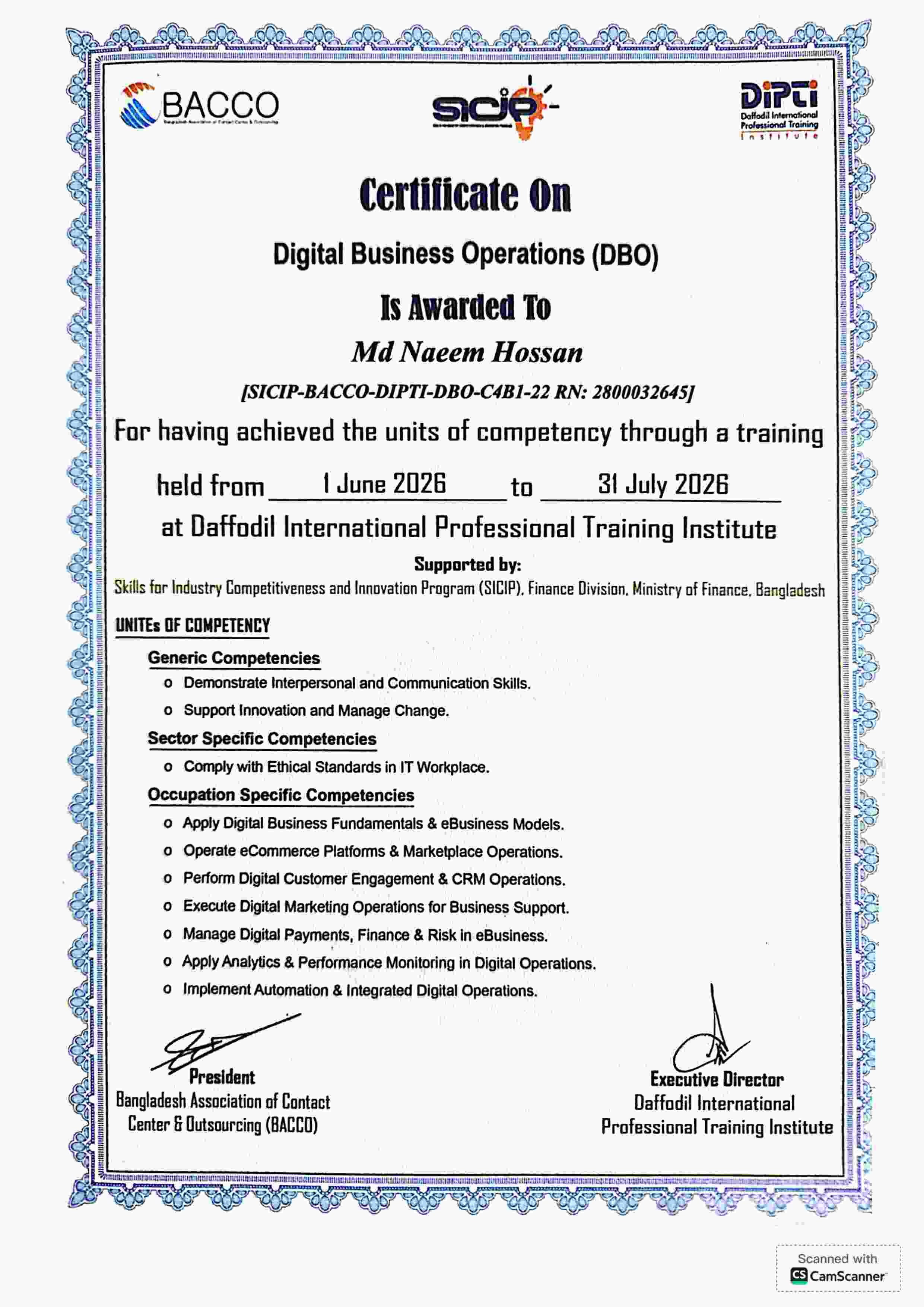
SICIP Digital Business Operations Certificate
Let’s Look at Your Account Together
If you’re spending on Google Ads and can’t clearly see what it returns, that’s worth a conversation. I’ll review your account or your market, tell you where budget is being wasted and what I’d change first — and you’re free to take that away and act on it yourself.
No pitch deck, no pressure. Just a straight conversation with a Google Ads freelancer in London about whether paid search makes sense for your business.
- Currently accepting new clients
- Response within 24 hours
- London, UK