AI Marketing & Generative AI SEO — Get Your Business Cited by ChatGPT, Gemini and Perplexity
More of your customers are asking an AI instead of scrolling a results page. When they do, one of a few sources gets named — and the rest are invisible. I help UK businesses become the source that ChatGPT, Google AI Overviews, Gemini, Claude and Perplexity reach for, using entity-first optimisation, structured data and genuinely useful content.
- AI Search Specialist
- GEO Consultant
- ChatGPT & Perplexity Optimisation
- Semantic & Entity SEO
- Structured Data
- Direct Communication (one accountable expert)
Search Stopped Being a List of Links
For twenty years, search worked one way: you typed a query, got ten blue links, and picked one. That behaviour is breaking. A large and growing share of questions now get answered on the spot — by ChatGPT, by Google’s AI Overviews, by Perplexity — with no click required. The user reads a synthesised answer and moves on.
That changes the job entirely. Ranking first is no longer the finish line, because the AI often summarises three or four sources into one answer and names only the ones it trusts. If your business isn’t among them, you’re not on page two — you simply don’t exist in that conversation.
Here’s the part most people miss: these systems don’t “read” the web the way Google’s old crawler did. ChatGPT, Gemini, Claude and Perplexity each pull, weigh and cite sources differently. Some lean on live retrieval and show their sources on screen. Others draw on what they’ve learned about your brand as an entity — who you are, what you’re known for, who vouches for you. Traditional SEO gets you indexed. It doesn’t reliably get you quoted.
That’s the gap AI Marketing & Generative AI SEO closes. It sits alongside your existing SEO — not instead of it — and makes your business legible, trustworthy and quotable to the engines that now answer your customers first.
What Is AI Marketing & Generative AI SEO?
A few terms get used interchangeably, so here’s the plain-English version of each.
AI Marketing
Using AI systems — and optimising for them — as a genuine marketing channel. That spans being cited in AI answers, advertising inside AI platforms where it exists, and using AI tooling to work faster. On this page, the focus is visibility: getting found and recommended by AI.
AI Search & AI Search Visibility
AI search is any query answered by a generative system rather than a ranked list — ChatGPT, Google AI Mode, Perplexity, Copilot. AI search visibility is simply how often, and how prominently, your business turns up in those answers.
Generative Engine Optimisation (GEO)
The discipline of structuring your content, data and brand signals so generative engines understand you and cite you. Think of GEO as SEO’s successor for a world where the “result” is a written answer, not a link.
Large Language Model SEO (LLM SEO)
Optimising specifically for how large language models retrieve and represent information — clear structure, factual density, strong entities and trustworthy sourcing, so the model can quote you without hedging.
Entity SEO & Semantic SEO
Entity SEO makes sure machines understand what and who you are as a distinct thing in the world — connected correctly in the Knowledge Graph. Semantic SEO organises your content around meaning and topics rather than isolated keywords, which is exactly how these models think.
How this differs from traditional SEO
Classic SEO optimises for a crawler and a ranking position. GEO optimises for retrieval and citation inside an answer. Old SEO asks “can Google find and rank this page?” GEO asks “when an AI explains this topic, does it trust my brand enough to name it?” You need both — but only one of them is being ignored by most of your competitors right now.
Why AI Search Matters for Your Business
This isn’t a future trend to monitor. It’s already redirecting attention today.
Google AI Overviews and AI Mode now sit above the traditional results for a huge range of queries, answering many of them outright. That’s fewer clicks reaching websites — the rise of the “zero-click” search — and more weight on being the source Google chooses to summarise.
ChatGPT answers billions of prompts, many of them commercial: which provider, which product, which firm. Perplexity goes further and shows its sources on screen, making the cited brands directly clickable. Gemini, Claude and Microsoft Copilot each answer in their own style, drawing on different signals. Voice search and voice assistants add another layer where only one answer gets read aloud.
What decides who gets named? A few things, consistently: whether your brand is a clear, well-defined entity in the Knowledge Graph; whether your content is structured for citation rather than persuasion; the strength of your brand mentions and digital PR across trusted sites; and your EEAT — the experience, expertise, authority and trust signals these systems increasingly rely on to decide what’s safe to repeat. Get those right and you build durable authority. Ignore them and you hand the citation to a competitor who didn’t.
AI Marketing & GEO Services
ChatGPT SEO Expert
ChatGPT answers millions of buying questions directly and names only a handful of sources. I work to make yours one of them — through entities, topical authority and retrieval-ready content.
Deliverables: entity & topical authority building · content structured for retrieval · citation-worthy formatting · brand-mention building · ChatGPT visibility tracking
Who it’s for: businesses whose customers ask ChatGPT before they ever open Google.
Gemini SEO Expert
Google’s AI Overviews and AI Mode increasingly answer the query before the links even load, and Gemini decides who gets quoted. I optimise your content and data for exactly that moment.
Deliverables: AI Overview optimisation · structured data & schema · Knowledge Graph entity alignment · content clustering · AI Mode readiness
Who it’s for: businesses already ranking on Google but quietly losing clicks to AI answers.
Claude SEO Expert
Claude favours content that’s clear, well-reasoned and genuinely trustworthy. I structure your pages and strengthen your source quality so it can quote you with confidence.
Deliverables: long-form authority content · clean semantic structure · fact-dense, citable writing · EEAT signal building · source-quality improvements
Who it’s for: professional services, healthcare, finance and education brands where trust is the deciding factor.
Perplexity SEO Expert
Perplexity shows its sources on screen, right beside the answer — which makes being a named, clickable citation the entire game. It’s competitive, but it’s winnable.
Deliverables: citation optimisation · trusted-source positioning · answer-ready content · digital PR & brand mentions · Perplexity visibility tracking
Who it’s for: brands that want to appear as a named source, not an anonymous also-ran.
GEO Expert (Generative Engine Optimisation)
The umbrella discipline. I make every major AI engine understand who you are, what you’re the authority on, and why you deserve the citation — not just one platform in isolation.
Deliverables: full GEO audit · entity optimisation · structured-data architecture · topical authority mapping · retrieval-friendly content · cross-platform tracking
Who it’s for: any business that wants to be found across ChatGPT, Gemini, Claude and Perplexity together.
AI Content Optimisation
AI engines reward content built for retrieval — clear answers, real structure, genuine expertise. Most sites aren’t built that way. This is the work that fixes it.
Deliverables: AI-friendly content architecture · schema-ready FAQs · semantic entity mapping · topic clusters & topic maps · content refresh & pruning
Who it’s for: teams sitting on existing content that AI isn’t picking up or citing.
ChatGPT Ads Specialist
Advertising inside ChatGPT is now real — OpenAI opened a self-serve Ads Manager in 2026, placing contextual ads in front of free-tier users. It’s early and fast-moving, so I’ll be straight about what’s possible in your market today versus what’s still coming.
Deliverables: ChatGPT Ads strategy & account setup · contextual campaign targeting · conversion tracking (OAIQ pixel) · AI-platform ad readiness · a sensible test-and-learn framework
Who it’s for: brands happy to test an emerging channel early, with realistic budgets and expectations.
A note on honesty: ad availability varies by country and is still expanding. Gemini and Claude don’t currently sell ad placements — anyone promising \”Gemini ads\” or \”Claude ads\” today is guessing.
My Process
No mystery, no black box — a clear sequence that builds AI visibility the way it actually gets built.
1. Research
I start with your market, your customers and the questions they actually ask an AI. I map the prompts that matter commercially, see who’s currently getting cited for them, and identify where the openings are. This is the foundation everything else stands on.
2. AI Visibility Audit
I check how the major engines see you today — whether ChatGPT, Gemini, Claude and Perplexity mention you, what they say, and whether they get it right. I audit your entities, structured data, EEAT signals and existing content, then document exactly where you’re invisible or misrepresented.
3. Content & Entity Optimisation
Now the work that moves the needle: strengthening your brand as a clear entity, building topical authority around the themes you want to own, and shaping content so it’s easy for a model to retrieve and quote. This is where semantic structure and genuine expertise do the heavy lifting.
4. Technical Implementation
Schema markup, structured data, clean site architecture, Knowledge Graph alignment and the technical signals that help machines parse and trust your site. The unglamorous layer that quietly decides whether any of the above gets understood.
5. Monitoring & Continuous Improvement
AI answers shift constantly, so this isn’t set-and-forget. I track your visibility across platforms, watch how citations change, refresh content before it slips, and keep adjusting. You get clear reporting on what’s improving and what’s next.
Why Work With Me
You work directly with me — one accountable specialist — not an account layer reading from a script.
Machines understand who you are, so they cite you correctly
Your content is easy for AI to parse, trust and quote
You become the recognised source in your niche, not a bit-player
You see exactly what’s changing across AI platforms and why
Your strategy is built for how search actually works now
You speak to the person doing the work — no middle layer
Content that reads well to people and to models, not AI sludge
Foundations that hold as the AI engines keep evolving
Industries I Work With
The principles are the same everywhere, but the emphasis shifts by sector.
trust and accuracy are everything, so EEAT and citable, well-sourced content decide whether AI will repeat you.
law firms win by being the authoritative, correctly-attributed answer to high-stakes questions.
strong entity signals and trustworthy sourcing matter most where AI is cautious about who it quotes.
get named when buyers ask an AI to compare tools or recommend a solution.
colleges and course providers earn visibility as the trusted source for \”how do I…\” and \”which qualification…\” questions.
product and category authority so AI recommends your range, not just the marketplaces.
become the answer when people ask an AI where to eat, stay or book.
consultants and agencies positioned as the expert AI points to.
show up when nearby customers ask an assistant for a recommendation.
get cited in the research phase, long before a buyer ever fills in a form.
Results Timeline
Honest expectations matter more than big promises — and nobody can guarantee AI visibility, because these systems are outside anyone’s direct control. Here’s a realistic shape of how the work tends to progress.
First 30 Days
Audit, research and foundations. We establish how AI sees you now, fix the obvious technical and entity gaps, and set a baseline to measure against. This is groundwork, not fireworks.
60 Days
Optimised content and structured data start landing. Entity signals strengthen. You may begin to see more accurate brand representation and early mentions in AI answers for less competitive questions.
90 Days
With authority building, citations for your target topics typically become more frequent and more consistent. We double down on what’s gaining traction across platforms.
6 Months
The compounding stage. Stronger entity presence, deeper topical authority and a track record of citations tend to make your visibility more durable. We keep refreshing and adapting as the engines change — because they will.
These are typical patterns, not guarantees. Results depend on your starting point, your market and how competitive your topics are.
Testimonials
Every review below is independently verified — published on Clutch or Fiverr, where clients are confirmed before they can leave feedback.
“Naeem successfully rolled out a modern, SEO-friendly website that accurately depicted the client’s business structure and services. The team established a smooth workflow through timely outputs, clear communication, and prompt support. Their broad expertise impressed the client.”
Md Kamrul HasanBizz Group — Bizz Solution BD
“Md Naeem Hossan improved organic website traffic by 25%. Increased qualified leads by 20%. Achieved first-page rankings for 15+ keywords. Increased social media engagement by 30%. Completed 100% of assigned project objectives within deadlines.”
COOUK Apprenticeship Provider
“It was a great experience. He understood exactly what I needed to get done and it was a seamless process. He was assertive and very professional, the communication was perfect. I have a lot of work to get done and will definitely use him.”
kobe2024Founder & Director
5.0 ★★★★★ average on Clutch — verified reviews from real clients.
Frequently Asked Questions
What is Generative Engine Optimisation?
GEO is the practice of structuring your content, data and brand signals so generative AI engines — ChatGPT, Gemini, Perplexity and others — understand your business and cite it in their answers. Where traditional SEO aims for a ranking position, GEO aims to be the trusted source an AI names when it responds to a question in your market.
What is AI Search Optimisation?
It’s optimising your online presence for search experiences powered by AI rather than a list of links — Google AI Overviews and AI Mode, ChatGPT, Perplexity, Copilot. The goal is simple: appear, accurately and prominently, in the answers these systems generate for the questions your customers are actually asking.
How is GEO different from SEO?
Traditional SEO optimises a page so a search engine can rank it. GEO optimises your content and entities so a generative engine can retrieve and quote you inside an answer. SEO asks \”can Google rank this?\” GEO asks \”when an AI explains this topic, does it trust my brand enough to name it?\” You need both working together.
Can ChatGPT rank my business?
ChatGPT doesn’t \”rank\” in the Google sense — it synthesises an answer and cites a small number of sources. So the aim isn’t a position, it’s being one of those cited or recommended sources. That comes from strong entity signals, genuine topical authority, retrieval-ready content and trustworthy brand mentions across the web.
How do AI search engines choose their sources?
They weigh a mix: how clearly your brand is defined as an entity, how well-structured and factual your content is, your EEAT signals, and how often trusted sites mention you. Retrieval-based engines like Perplexity pull live sources; others lean on what they’ve learned about your brand. Clarity, trust and authority win.
Does schema markup help AI?
Yes. Structured data and schema make your content easier for machines to parse, disambiguate and trust — which supports how AI systems understand and represent your business. It’s not a magic switch on its own, but combined with strong entities and quality content, it’s a meaningful part of getting understood correctly.
What is LLM SEO?
LLM SEO is optimising specifically for how large language models retrieve and represent information. In practice that means clear structure, factual density, well-defined entities and trustworthy sourcing — so the model can quote your content confidently rather than skipping it for a source it finds easier to trust.
How long does AI optimisation take?
Foundations go in within the first month, but meaningful, consistent citation usually builds over three to six months as authority and entity signals strengthen. It’s closer to SEO’s timeline than paid ads. Anyone promising instant AI visibility is overselling — these systems reward durable authority, which takes a little time.
Can AI SEO replace traditional SEO?
No — they work together. Strong traditional SEO still underpins your authority and much of what AI engines draw on. GEO adds the layer that gets you cited in AI answers. Dropping classic SEO to chase AI alone would weaken the very foundations these systems rely on. Treat GEO as an addition, not a replacement.
Why hire an AI Marketing Consultant?
Because AI search is moving fast and the tactics that work aren’t obvious yet. A consultant brings a tested approach to entities, structured data, content and measurement — so you’re building real visibility instead of guessing. You also get an honest read on what’s working, what isn’t, and where it’s genuinely worth your budget right now.
AI marketing and GEO is one of nine channels I plan and run together. See how it connects to the rest on the digital marketing services hub — or read why one digital marketing strategist across every channel beats four separate suppliers.
Professional Certifications
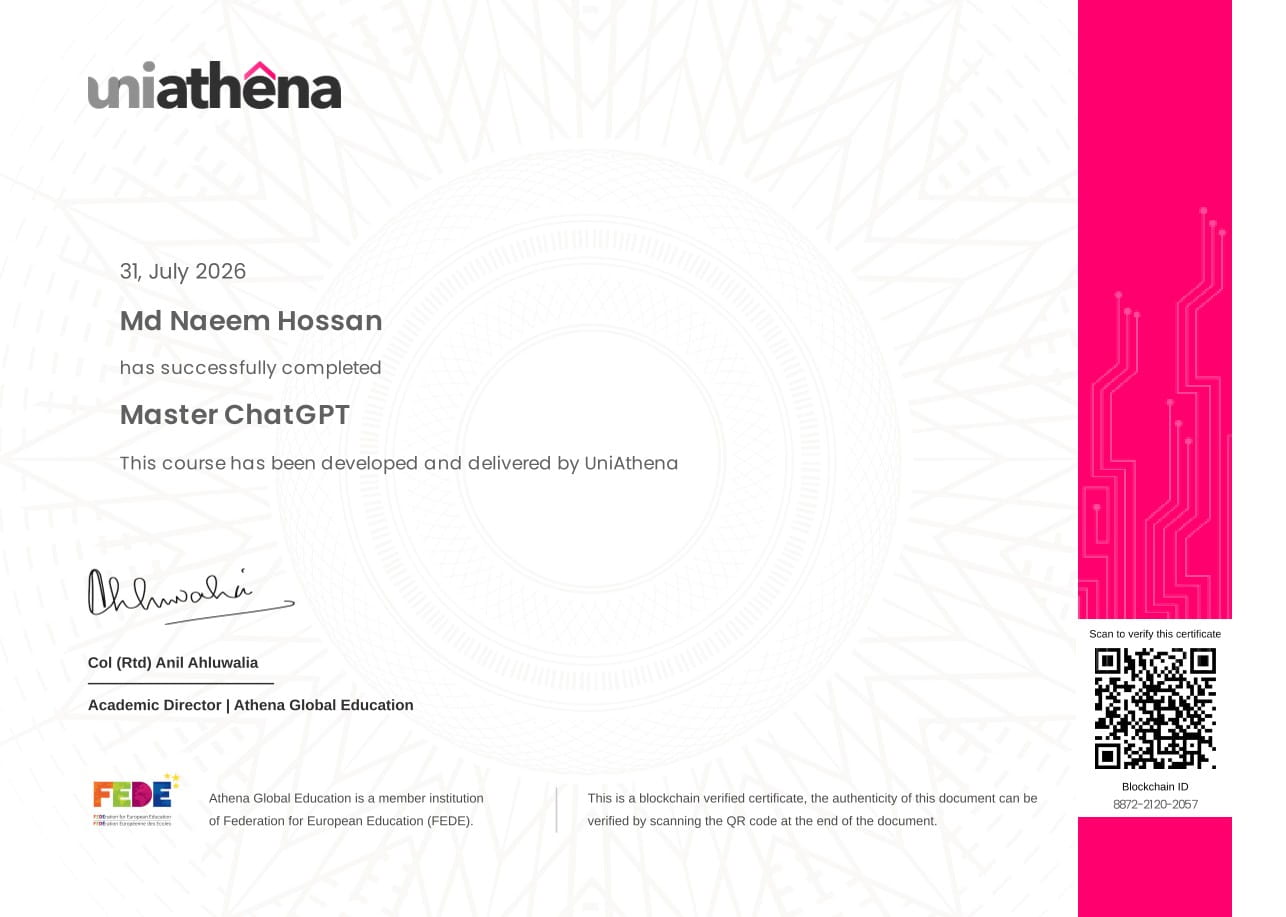
Master ChatGPT Certification
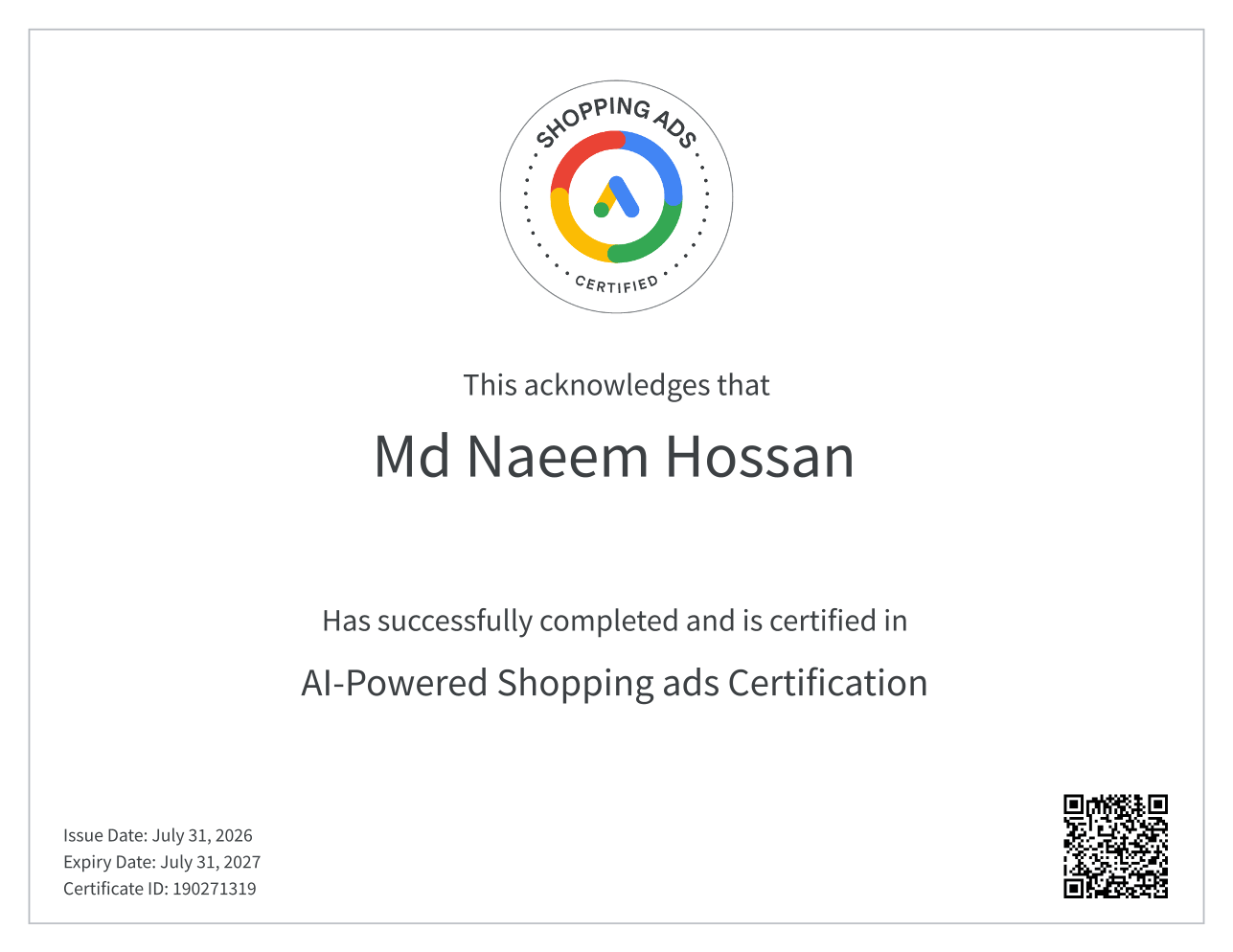
AI-Powered Shopping Ads Certification
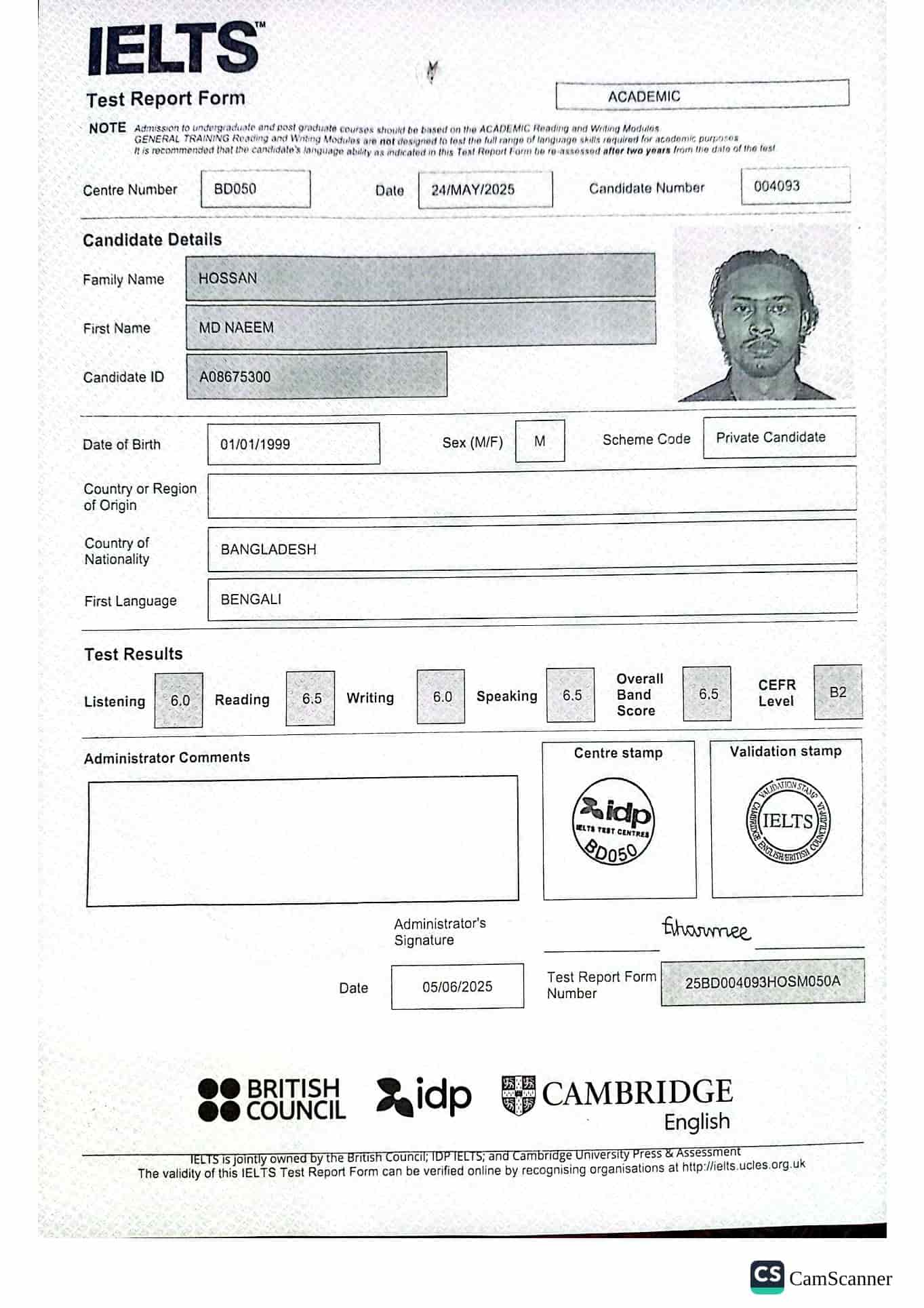
IELTS Certificate
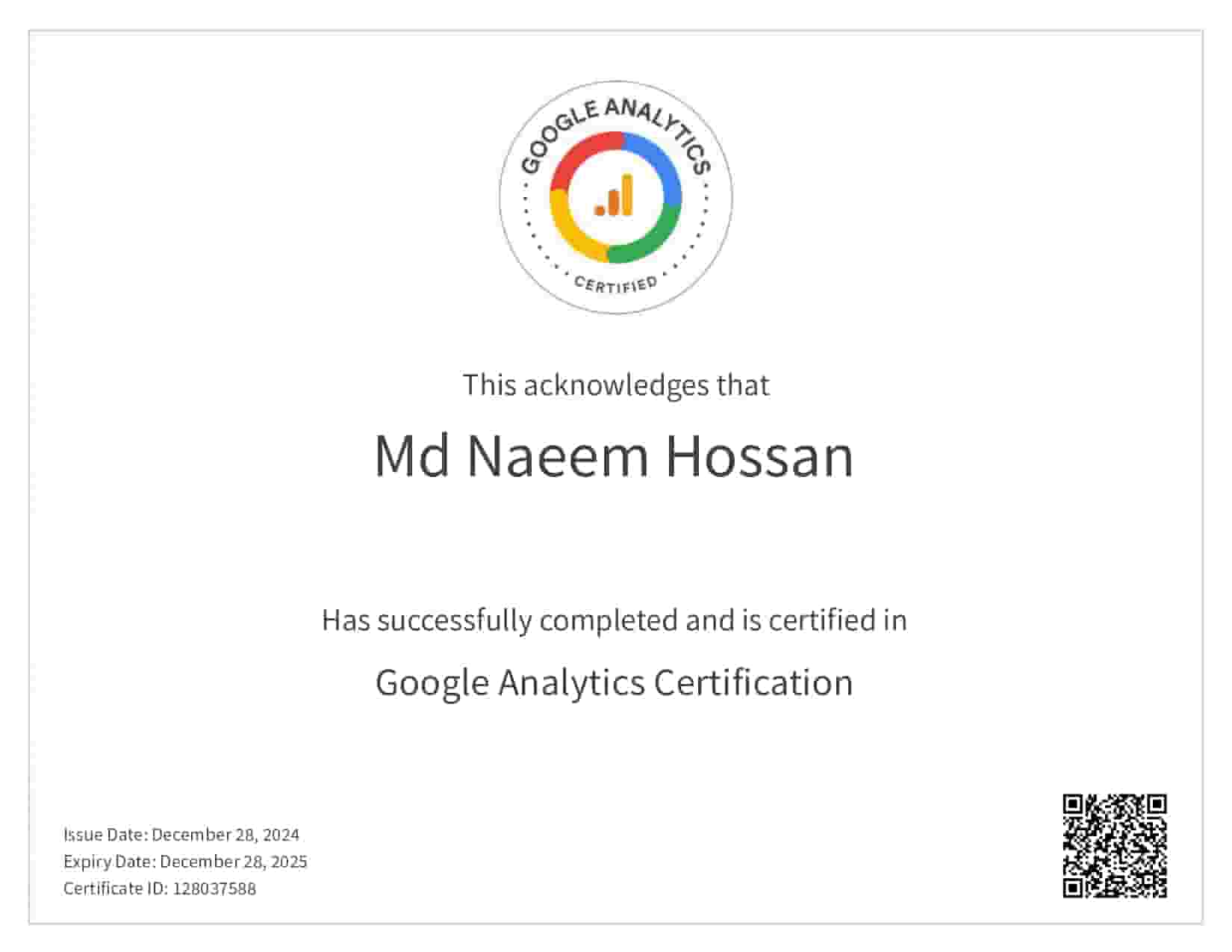
Google Analytics Certification
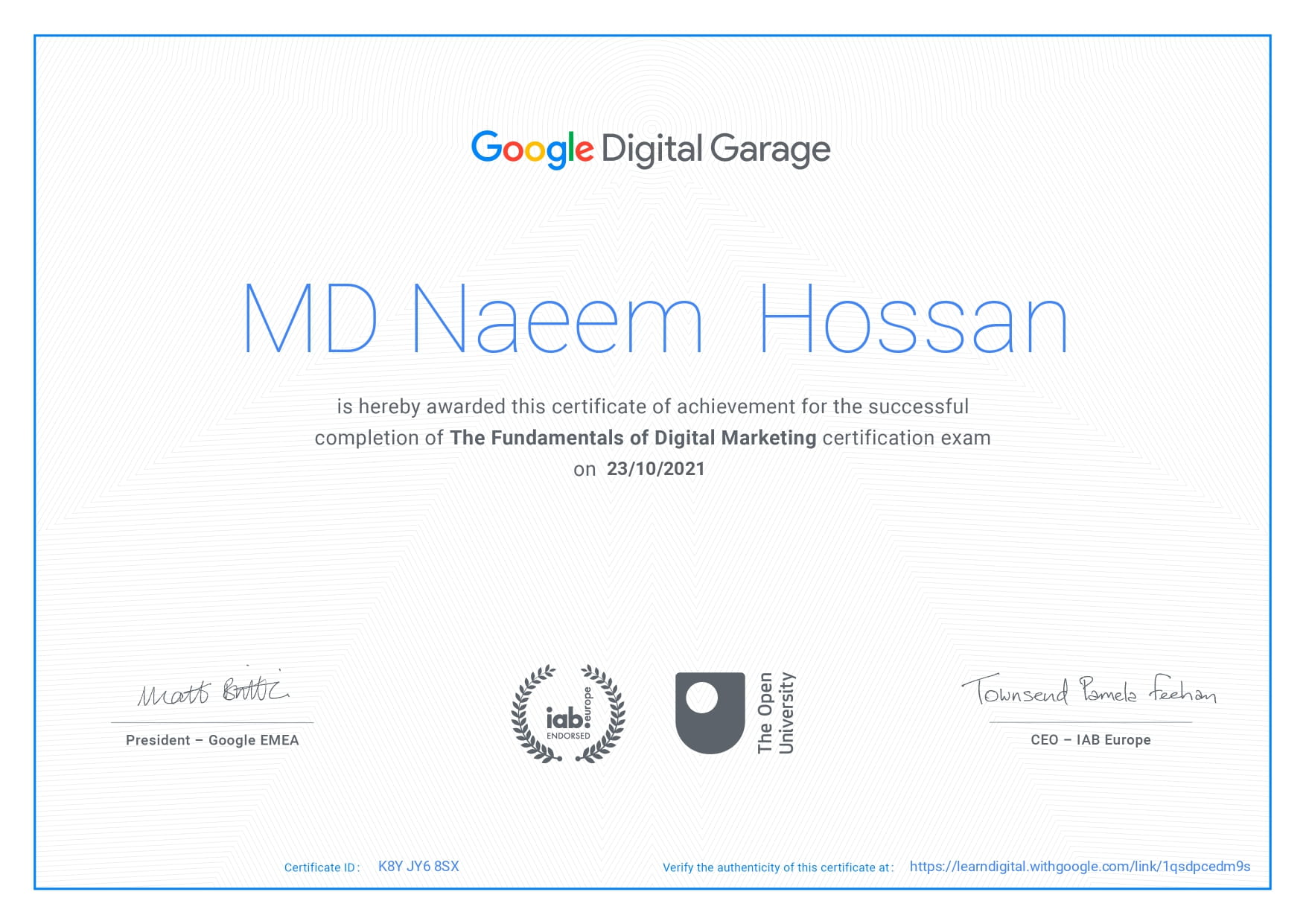
Google Digital Garage Certificate
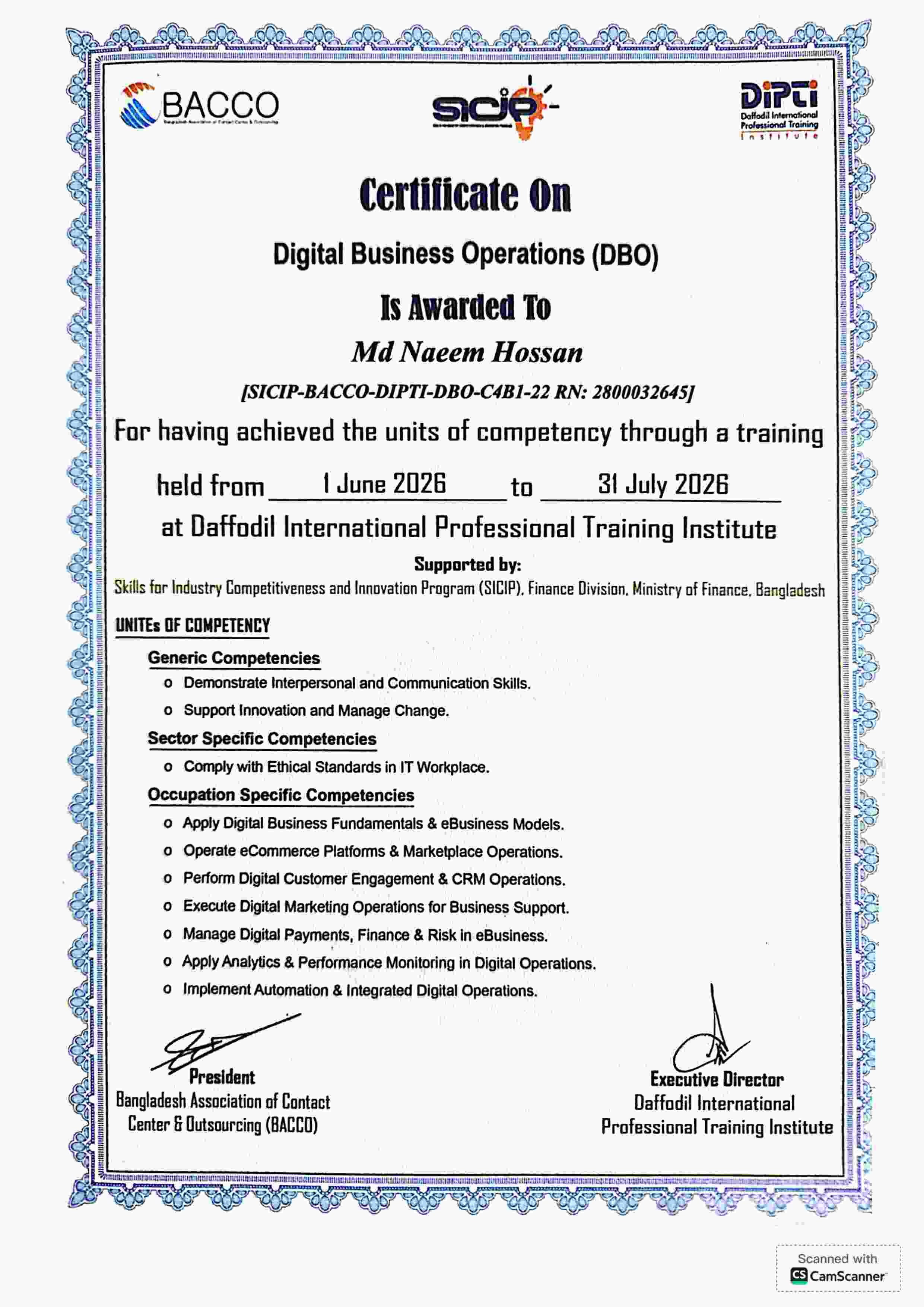
SICIP Digital Business Operations Certificate
Let's Make Your Business the Answer AI Gives
Your customers are already asking ChatGPT, Gemini and Perplexity the questions your business should be answering. The only question is whether these systems name you — or a competitor.
Book a free consultation and I’ll review how AI currently sees your business before we even speak, so the call starts with specifics: where you’re visible, where you’re missing, and what an AI Marketing & Generative AI SEO strategy would realistically look like for you. No pitch, no pressure, no template advice.