Local SEO Experts London — Be the Business Nearby Customers Find First
I help London businesses show up in Google Maps and the Local Pack when someone nearby is ready to buy. No jargon, no twelve-month lock-ins — just measurable map rankings and more phone calls from people down the road. As one of the more hands-on Local SEO experts London businesses work with, you deal with me directly, never an account manager.
- Google Business Profile Specialist
- London SEO Consultant
- No Long-Term Contracts
- Monthly Reporting
- Ethical SEO
- Direct Access to Me
Eleven Seconds to Win the Customer
Someone in Clapham pulls out their phone, types “emergency plumber near me”, and taps the second listing on the map. That whole decision takes about eleven seconds. Your website, your pricing, your years of experience — none of it gets a look if you’re not in that map result.
That’s what local search has become. People rarely scroll past the first few map listings, and most never reach page two. Google Maps is the shortlist now. If you’re not on it, you’re not being compared — you’re being skipped.
Local search works differently from traditional SEO. National SEO is a fight over content depth and backlinks across the whole country. Local rankings are decided by proximity, relevance and prominence — where you are, how closely your Google Business Profile matches the search intent, and how trusted your business looks across the web. A brilliant blog post won’t put you in the Local Pack. A properly built profile, consistent business listings, clean schema markup and a steady flow of customer reviews will.
That’s the work I do, and I do it for one city.
Why Local SEO Matters for London Businesses
London is dense, competitive and impatient. There are eleven dentists within a mile of most high streets. The one that gets the booking is usually the one sitting in the top three map results with 200-plus reviews.
For service searches, the map pack sits above the standard results and takes the bulk of clicks before anyone opens a website.
A Google representative speaking at the Secrets of Local Search event in 2018 put the share of queries with local intent at 46%. Google hasn’t published an updated figure since, but nothing about phone behaviour suggests it has fallen.
Someone searching “accountant near me” isn’t browsing. They’re comparing two or three options and picking one that day. Location intent is the most commercially valuable search traffic you can get.
BrightLocal’s Local Consumer Review Survey found 83% of consumers use Google to read reviews, and 74% check at least two review sites before deciding. Review signals feed both your map rankings and whether anyone rings you.
Plenty of customers judge you, read your reviews and call without ever visiting your website. A thin or out-of-date profile costs you work you never hear about.
Not sure where you currently rank across London?
Why Businesses Hire Me
I’ve spent [15] years working on UK search campaigns, the last [8] of those focused almost entirely on local search. In that time I’ve worked with [120+] businesses, run [200+] Google Business Profile projects, and delivered [90+] full local SEO campaigns across London and the wider UK.
That experience sits across [12] industries — trades, dental and private healthcare, legal, property, hospitality, education, retail and professional services. Different sectors, same underlying problem: strong businesses that nearby customers can’t find.
How I work, and why it’s different
Most agencies start with keywords. I start with your margins. Before touching a single listing, I want to know which services you actually want more of, what a customer is worth, and which areas you can realistically serve. There’s no point ranking you in Barnet if your team won’t travel past Camden.
From there the method is consistent: audit first, profile second, website and citations third, then relentless measurement. I don’t run campaigns on hope. Every month you see map rankings by area, calls, direction requests and enquiries — and if something isn’t moving, we change it rather than quietly repeating it.
You also get me. Not a junior executive working from a template. When you email, I reply.
Want to talk it through with the person who’d do the work?
Local SEO Services That Bring Customers Through Your Door
Local SEO Audit
A prioritised fix list showing exactly why you’re not in the map pack — not a 90-page PDF nobody reads.
I go through your Google Business Profile category by category, check NAP consistency across every citation Google can find, review your location pages and schema markup, test mobile speed, and run a grid scan to see where you actually rank across your target areas. Then I compare all of it against the three businesses currently outranking you, so you can see the specific gap rather than a vague score out of 100.
You finish with a ranked 90-day plan: what to fix this week, what needs a developer, and what can wait.
Deliverables: Google Business Profile audit · NAP consistency check · citation gap report · grid-based map ranking scan · competitor comparison · technical and mobile review · 90-day action plan
Ideal for: businesses with a decent website getting almost no local calls.
Local SEO for Small Business
The handful of changes that actually move the needle, without a bloated retainer attached.
Small budgets need sharp focus. For an independent business, most of the result comes from three things: a fully built Google Business Profile, service pages written around how people genuinely search, and a simple system that turns happy customers into reviews. I get those right before suggesting anything more expensive.
Everything is tracked from day one, so you can see calls and enquiries rather than taking my word for it. Rolling monthly terms, no minimum contract, and I’ll tell you honestly if you don’t need me yet.
Deliverables: profile setup and optimisation · on-page fixes · local keyword targeting · review request system · Bing Places and Apple Business Connect listings · monthly call and enquiry tracking
Ideal for: independent shops, salons, cafés, trades, clinics and one-office professional services.
Local Link Building
The links that count locally aren’t the ones agencies chase nationally.
Local authority is built from real-world connection: sponsoring a Sunday league side, being listed by your borough’s business network, getting quoted in a local paper, appearing in your trade association’s directory, partnering with a nearby complementary business. Google can read all of it, and none of it looks bought — because it isn’t.
Alongside outreach I clean up and expand your local citations so your details are consistent everywhere Google looks. Mismatched addresses on forgotten directories quietly hold back map rankings more than most owners realise.
Deliverables: local citation building · borough and industry directories · sponsorship and partnership outreach · local digital PR · trust signal audit · ongoing link quality monitoring
Ideal for: competitive sectors where every profile is already optimised and links break the tie.
Local Keyword Research
How people in your area actually search — mapped to the right page so you stop competing with yourself.
Most businesses target the phrase they think customers use. Real search intent is messier: near me variations, service-plus-borough combinations, brand comparisons, and the questions people ask the night before they buy. I pull all of it, score it by volume and difficulty, then filter it by one test — would this search realistically end in an enquiry?
The output is a page-by-page targeting map, including which pages to build for geo-targeting and which existing pages are cannibalising each other.
Deliverables: location keyword map · near me and question-based terms · volume and difficulty scoring · hyperlocal and borough-level opportunities · page-by-page targeting plan · cannibalisation and content gap report
Ideal for: anyone planning location pages or rewriting an underperforming site.
Google Business Profile Optimisation
Where local search is won or lost. A neglected GMB listing quietly costs you calls every week.
Proper GMB SEO is detailed work: the right primary category and secondary categories, every service listed and described, genuine geotagged photos, accurate hours including bank holidays, Q&A answered before customers ask, products where relevant, and regular posts. I also report competitors using keyword-stuffed business names or fake addresses in your area — a suspension for them is a ranking gain for you.
Then it stays maintained, because profiles decay. Reviews get managed, insights get read, and the listing keeps earning.
Deliverables: category and attribute selection · full profile build-out · photo and post strategy · review management and response templates · Q&A seeding · spam listing reporting · monthly insights review
Ideal for: every business with a shopfront or defined service area.
Multi-Location SEO
Each branch ranking in its own area without cannibalising the others.
Running three clinics or eight branches creates problems a single site never has: duplicate listings, near-identical location pages competing for the same terms, and details that go stale in six places at once. I build a structure that fixes this — one genuinely distinct page per location, individual profile management, clean internal linking, and LocalBusiness schema per branch.
Reporting is broken down per site, so a branch with slipping reviews or falling map rankings shows up immediately instead of being hidden in an average.
Deliverables: location page architecture · profile management per branch · duplicate listing cleanup · per-branch schema markup · branch-level ranking and call tracking · centralised review monitoring
Ideal for: multi-branch clinics, franchises, estate agents and retail chains.
Not sure which of these you need? That’s what the free consultation is for.
My Local SEO Process
Step 1 — Research and Local SEO Audit
I start with your customers, your margins and the services you actually want more of. Then comes the audit: profile, website, citations, schema, competitors, grid rankings. This tells us where the quick wins sit and what’s going to take longer. Skipping this step is how businesses waste six months optimising for terms nobody searches.
Step 2 — Google Business Profile Optimisation
Your profile gets rebuilt properly — categories, services, descriptions, photos, hours, Q&A — and I clear out duplicate or spam listings sitting in your area. This is usually the fastest-moving part of any campaign, because Google can act on profile changes within weeks rather than months.
Step 3 — On-Page Local SEO and Citation Building
Now your website earns its place: location pages, service pages, internal linking, schema markup and page speed. Alongside that I fix NAP consistency and build local citations, including Bing Places and Apple Business Connect. Mismatched details across old directories confuse Google and quietly suppress local rankings.
Step 4 — Tracking, Reporting and Continuous Improvement
You get a dashboard showing map rankings by area, calls, direction requests, form fills and organic traffic. Each month we review what moved and decide what’s next. Local search never sits still — competitors optimise, Google updates, review counts shift. The work compounds rather than finishes.
Step one is free.
DIY vs Hiring a Local SEO Expert
- Trial and error
- Slow, stop-start progress
- Guesswork on what to fix
- Free tools with big blind spots
- Evenings and weekends lost
- No idea if it’s working
- A process already proven across [90+] campaigns
- Faster implementation with fewer wasted months
- Data-backed decisions from audit and grid data
- Professional rank tracking, audit and citation stack
- Your time back to run the business
- Monthly reporting on calls and enquiries
Why Work With Me
You see calls, enquiries and map rankings — not vanity metrics. You always know what you’re paying for.
Your profile is handled by someone who works on them daily, so you capture calls competitors miss.
Borough-level geo-targeting that reflects how Londoners actually search and travel.
You speak to the person doing the work. Questions answered the same day, not routed through support.
Budget goes where the evidence points, so nothing is spent on guesswork.
No fake reviews, no keyword-stuffed business names, no shortcuts that get listings suspended.
Rankings built on genuine trust signals hold up through algorithm updates.
Verified Reviews From Real Clients
Every review below is independently verified — published on Clutch or Fiverr, where clients are confirmed before they can leave feedback.
“Naeem successfully rolled out a modern, SEO-friendly website that accurately depicted the client’s business structure and services. The team established a smooth workflow through timely outputs, clear communication, and prompt support. Their broad expertise impressed the client.”
Md Kamrul HasanBizz Group — Bizz Solution BD
“Md Naeem Hossan improved organic website traffic by 25%. Increased qualified leads by 20%. Achieved first-page rankings for 15+ keywords. Increased social media engagement by 30%. Completed 100% of assigned project objectives within deadlines.”
COOUK Apprenticeship Provider
“It was a great experience. He understood exactly what I needed to get done and it was a seamless process. He was assertive and very professional, the communication was perfect. I have a lot of work to get done and will definitely use him.”
kobe2024Founder & Director
5.0 ★★★★★ average on Clutch — verified reviews from real clients.
Who I Help
I work with London businesses that depend on nearby customers: restaurants and cafés fighting for lunchtime searches, dentists and private clinics filling appointment books, solicitors competing on high-value case enquiries, estate agents covering specific patches, trades taking emergency call-outs, healthcare providers, education and training centres, hospitality venues, retail stores with local stock, and professional services firms from accountants to architects.
Service area businesses that travel to customers benefit as much as those with a shopfront — often more, since the competition tends to be less organised.
Areas I Help Businesses Across London
Local rankings are geographic, so the work changes depending on where you’re based and how far you travel. I take on clients across:
WestminsterCamdenIslingtonHackneyTower HamletsSouthwarkLambethCroydonGreenwichHammersmithRichmondEalingBrentBarnetHarrow
Based outside these? Local SEO doesn’t require a local agency, but it helps to work with someone who knows the difference between competing in Mayfair and competing in Harrow. Get in touch and I’ll tell you honestly whether I’m the right fit.
Tell me your postcode and target areas — I’ll show you where you currently rank.
What Results Can You Expect?
Anyone promising a number-one ranking by a fixed date is guessing. Here’s how campaigns usually progress.
First 30 Days
Audit complete, Google Business Profile rebuilt, technical issues fixed, tracking installed. Early movement in map visibility is common where a profile was neglected. Groundwork more than results.
60 Days
Location and service pages live, citations corrected, reviews arriving more consistently. Impressions and direction requests typically start climbing, and lower-competition terms may begin to rank.
90 Days
Where most businesses see meaningful change — more calls, better map rankings across target areas, growing organic traffic. Competitive London terms may still be moving slowly.
6 Months
Compounding effects. Stronger local authority, a solid review base, a wider set of ranking terms. Reporting shifts from “are we ranking?” to “which service should we push next?”
Timelines vary with competition, your starting position and how quickly changes get approved.
Curious what your first 90 days would look like?
Frequently Asked Questions
What does a Local SEO expert do?
A Local SEO expert gets your business showing up when nearby customers search. The work covers Google Business Profile optimisation, fixing NAP consistency across citations, building location pages, adding schema markup, earning local links and managing reviews. Good Local SEO consultants also track results properly — calls, direction requests and enquiries rather than rankings alone. It’s part technical, part content, part reputation management. In practice, most of the early gains come from correcting things that are already wrong: a mis-set category, duplicate listings, inconsistent addresses. Done properly, it makes you the obvious nearby choice instead of one option among eleven.
How much does Local SEO cost in London?
Most London businesses spend between £500 and £2,500 a month, depending on how competitive their sector is and how many locations they run. A single-location trade in an outer borough costs far less to rank than a law firm targeting the City. One-off projects — an audit, a profile rebuild, a set of location pages — typically start from a few hundred pounds. I’d rather quote after seeing your situation than sell a package that doesn’t fit what you need. The consultation is free, and you’ll get a straight answer on what’s realistic for your budget.
How long does Local SEO take to work?
Google Business Profile changes can move within two to four weeks, since Google processes profile updates quickly. Website and citation work generally shows within eight to twelve weeks. Competitive London sectors often need four to six months before map rankings settle where you want them. The main variables are your starting position, how strong your competitors already are, and how quickly you’re gathering reviews. Anyone quoting a guaranteed date is selling rather than advising. What you will get is visible monthly progress in the reporting, so you can judge it for yourself rather than taking it on faith.
What is a Google Business Profile and why does it matter?
Your Google Business Profile — still called GMB by most people — is the listing that appears in Google Maps and the Local Pack. It carries your name, address, hours, photos, services, reviews and a call button. For many local businesses it gets more views than the website does, and plenty of customers ring straight from it without clicking through. A complete, active profile with the right categories and genuine reviews is the single biggest factor in local rankings. Claiming it is free; optimising and maintaining it properly is what separates the top three from everyone below.
Do I need Local SEO if I already have a website?
Yes — they do different jobs. A website can look excellent and still be invisible in Google Maps, because map rankings depend on your profile, citations, reviews and proximity rather than page design. I regularly see beautiful sites generating almost no local calls. Local SEO connects your website to the signals Google uses for local search, then makes sure both work together: the map result gets you seen, the website convinces people to book. Treat them as one system. Fixing the site alone rarely moves map rankings, and a strong profile pointing at a slow site wastes the traffic.
How does Local SEO differ from traditional SEO?
Traditional SEO competes nationally on content depth and backlink authority. Local search engine marketing competes within a radius, where Google weighs three things: proximity, relevance and prominence. That brings in factors national SEO largely ignores — NAP consistency, citation quality, review signals, profile categories, and how people behave on Maps. The practical difference is that you can outrank a national brand in your own area with a fraction of their authority, provided your local signals are stronger. It’s a different game with different levers, which is why generalist agencies often underperform on local work.
Can Local SEO help a business with multiple locations?
Yes, though the approach changes considerably. Each branch needs its own optimised Google Business Profile and a genuinely distinct location page — not the same text with the area name swapped, which Google treats as thin content. Duplicate listings need cleaning up, internal linking has to stop branches competing for the same terms, and each site needs its own LocalBusiness schema. Reviews should be tracked per branch so a service problem in one location shows up early. Multi-location work takes more setup, but the return is larger because each area becomes its own source of enquiries.
Which industries benefit most from Local SEO?
Any business where customers search before choosing and distance matters. Trades, dentists, solicitors, estate agents, restaurants, gyms, private clinics, veterinary practices, accountants, driving schools, care providers, salons and independent retailers all see strong returns. Service area businesses that travel to customers benefit just as much as those with shopfronts. The common thread is urgency — a blocked drain, a toothache, a last-minute table, a chain about to collapse. Those searches convert within hours rather than weeks, which is why SEO services for local business usually pay back faster than most other marketing channels.
Do online reviews affect local rankings?
Considerably. Google weighs how many reviews you have, your average rating, how recently they arrived and whether you respond. Reviews mentioning specific services and areas appear to help relevance too. Beyond rankings, they decide clicks: BrightLocal’s Local Consumer Review Survey found 83% of consumers use Google to read reviews and 74% check at least two review sites before deciding. I set up a simple, compliant process for asking satisfied customers for feedback and help you reply to criticism without making it worse. Never buy reviews — Google detects it and listings get suspended.
How do you measure Local SEO success?
By enquiries, not ego metrics. Reporting covers calls from your profile, direction requests, website clicks, form submissions, grid-based map rankings across your target areas, and organic traffic to your service and location pages. Grid tracking matters in London because you might rank first in Hackney and nowhere in Islington — a single average position hides that completely. We agree what success looks like before any work starts, so there’s no argument about it later. If the numbers aren’t moving after a fair period, we change the plan rather than repeat it.
Still got questions? Ask them on a free call — no pitch deck.
local SEO is one of nine channels I plan and run together. See how it connects to the rest on the digital marketing services hub — or read why one digital marketing strategist across every channel beats four separate suppliers.
Professional Certifications
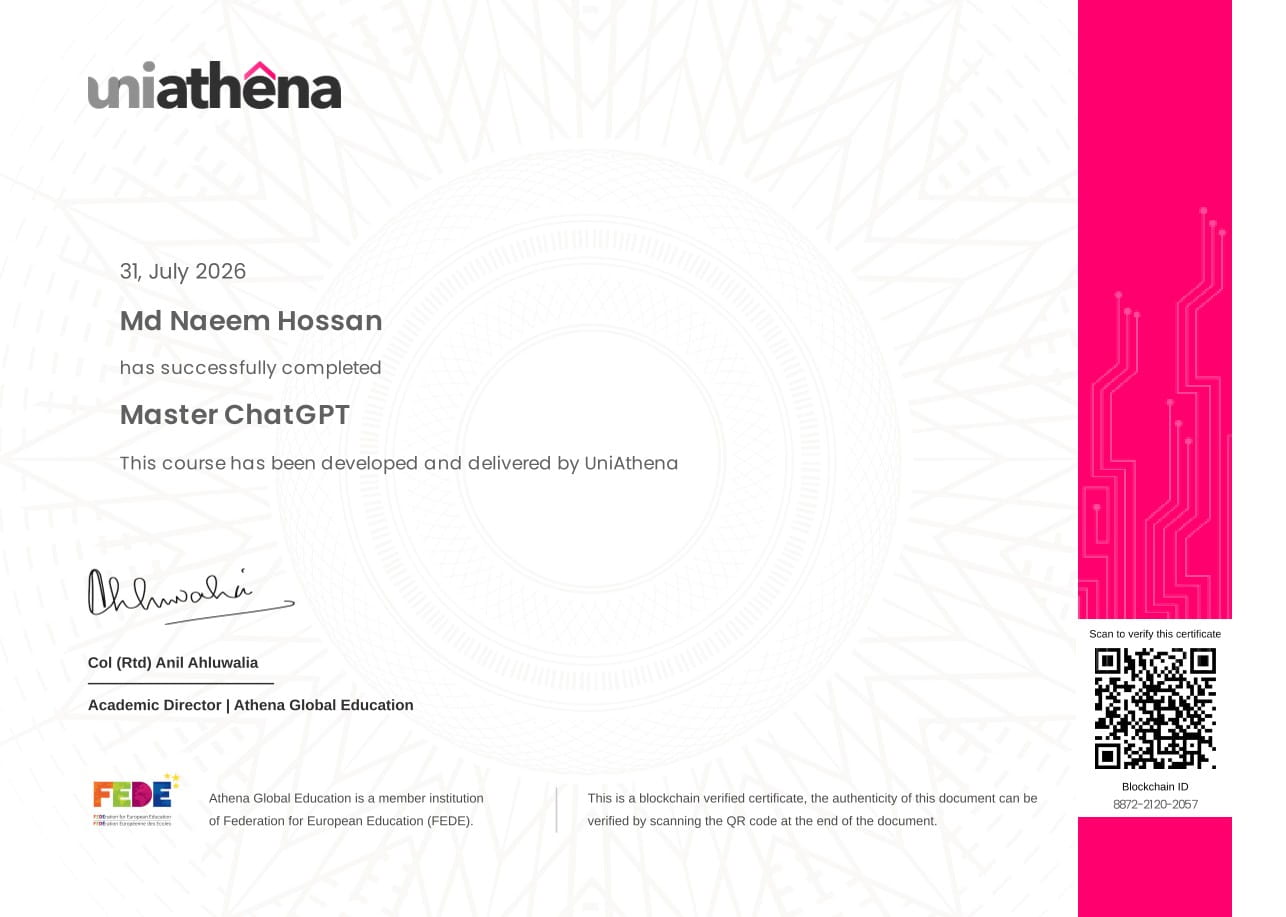
Master ChatGPT Certification
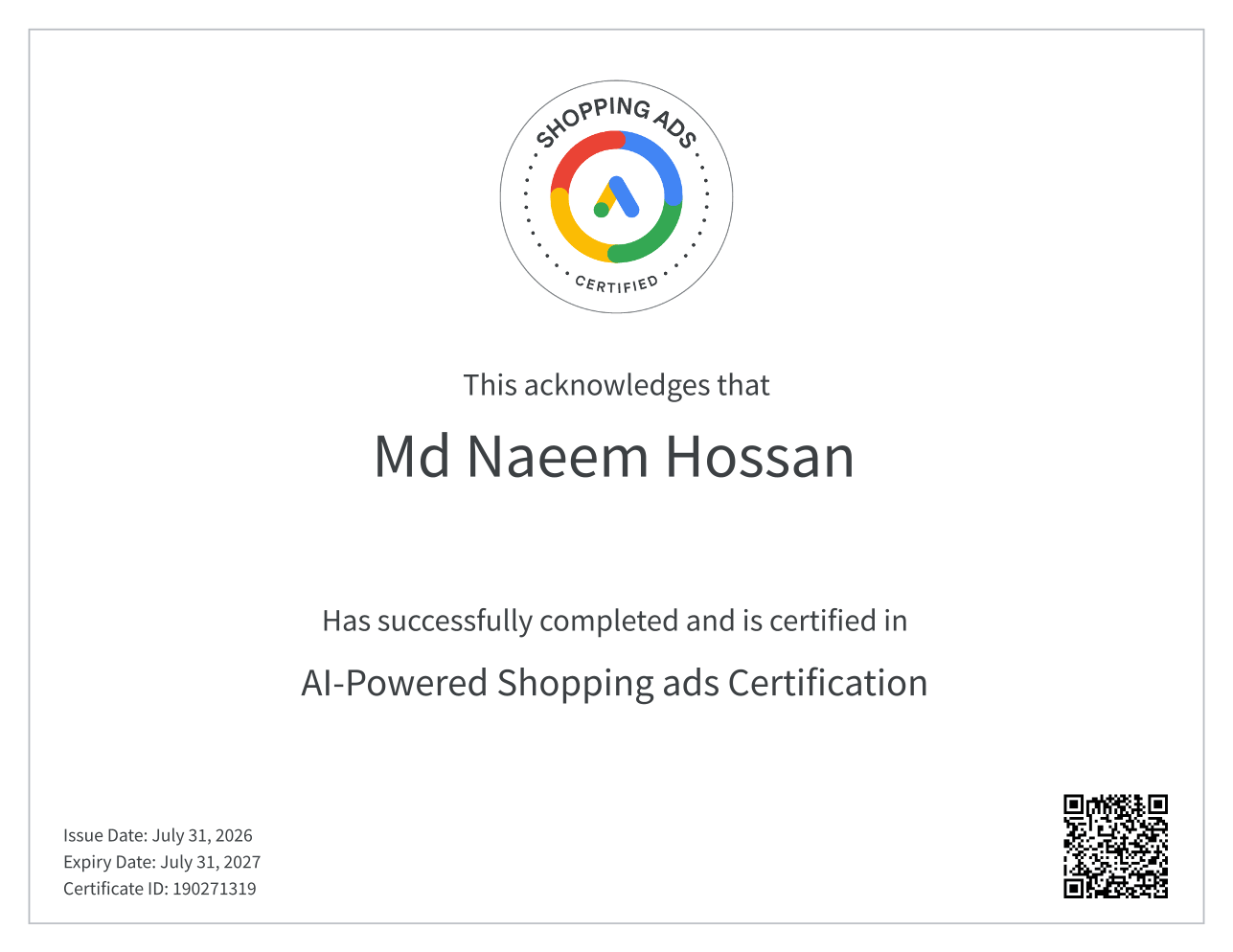
AI-Powered Shopping Ads Certification
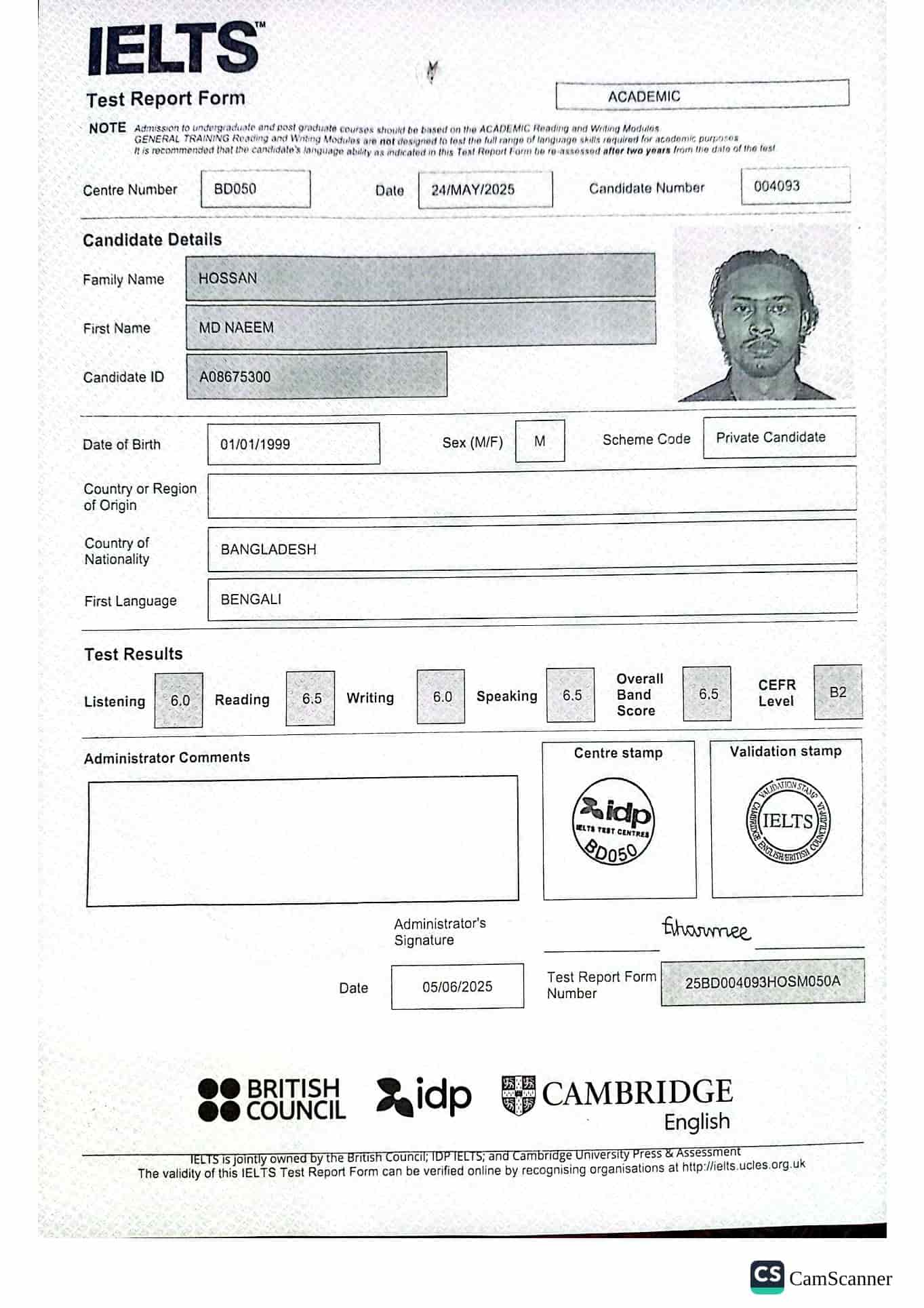
IELTS Certificate
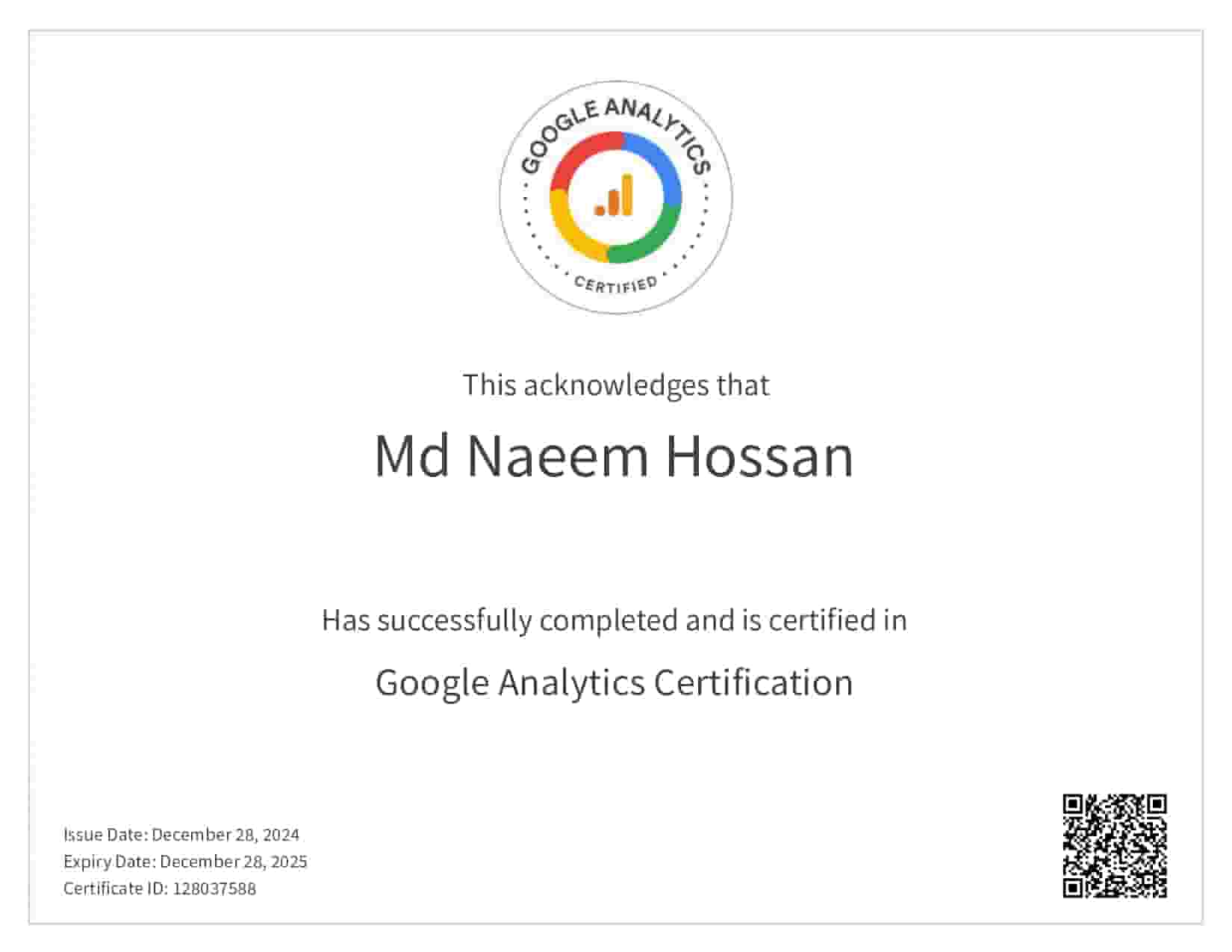
Google Analytics Certification
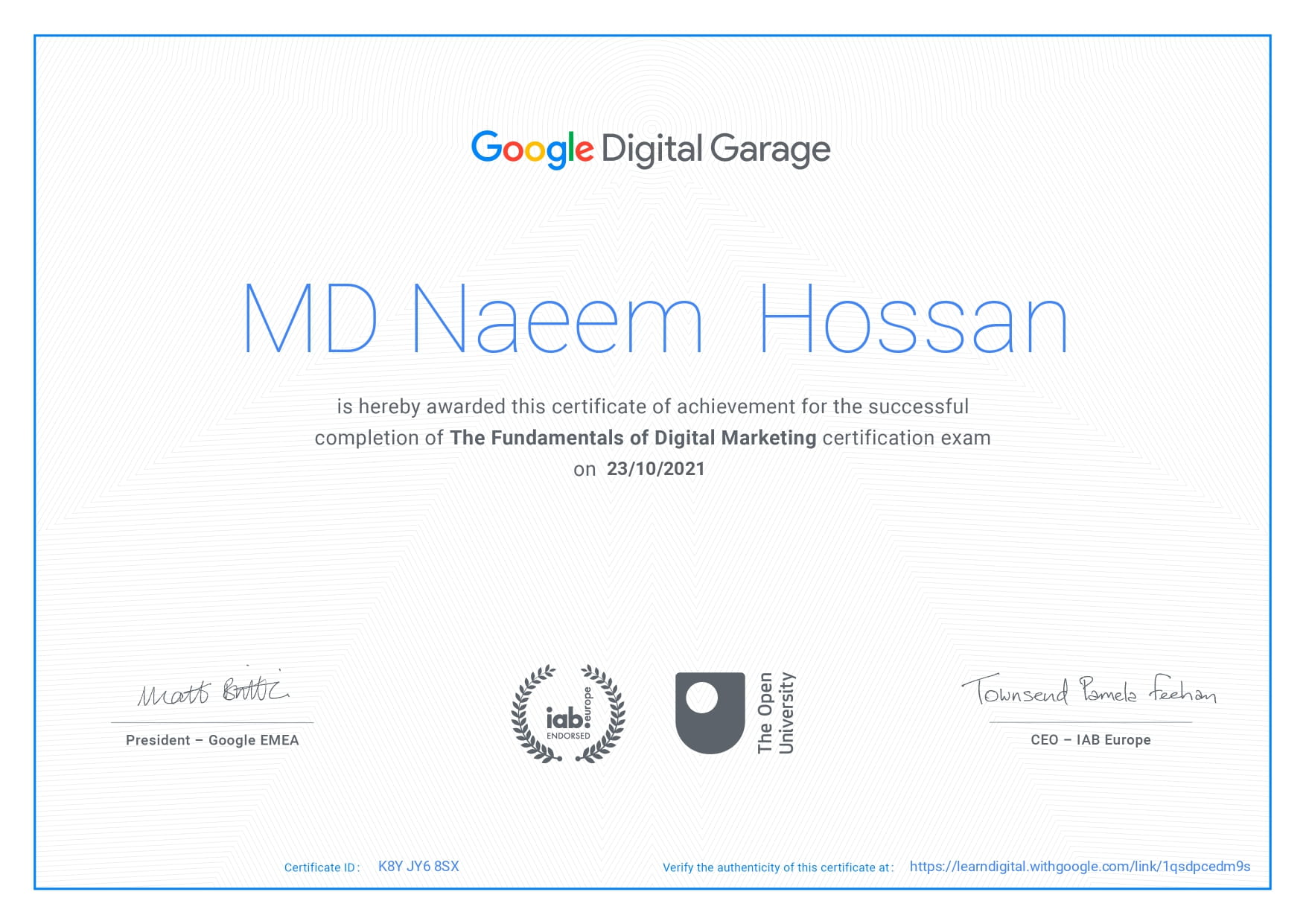
Google Digital Garage Certificate
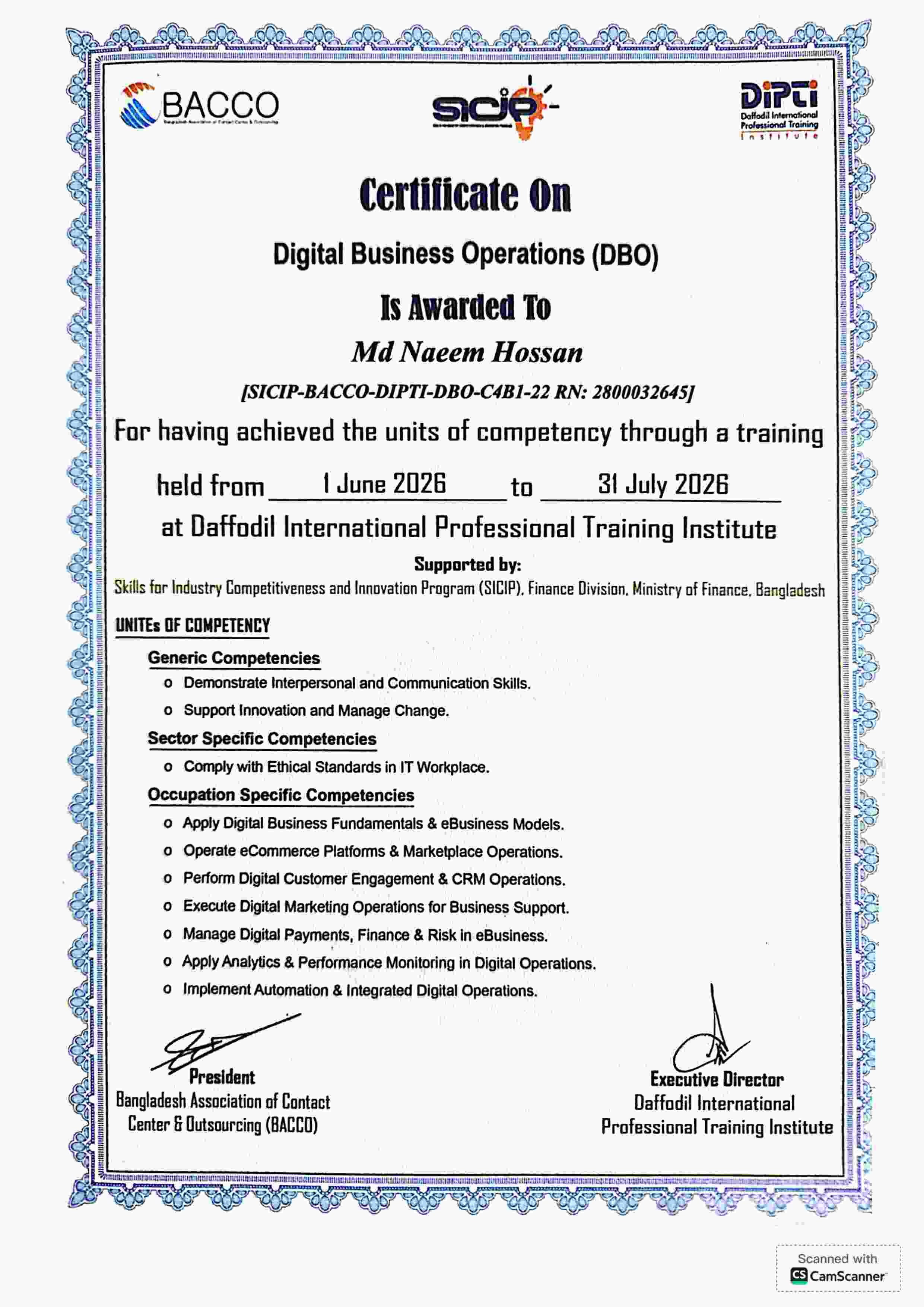
SICIP Digital Business Operations Certificate
Let’s Get Your Business on the Map
Every week your listing sits half-finished, someone nearby is calling a competitor instead. That’s the real cost of ignoring local search — not a ranking position, but the jobs you never hear about.
Book a free 30-minute consultation and I’ll review your Google Business Profile and website live with you. You’ll leave with three specific things to fix, whether you hire me or not. No slide deck, no pressure, no obligation.
If you’ve been looking for Local SEO experts London businesses can actually reach on the phone, that’s what this is.
- Currently accepting new clients
- Response within 24 hours
- London, UK